
Titles and Affiliations
Professor, Cancer Therapeutics
Head, Translational Breast Cancer Genomics and Therapeutics Lab
Peter MacCallum Cancer Centre
Research area
Understanding how the immune system shapes breast cancer development, progression, and response to treatment across disease settings.
Impact
The immune environment of the breast changes throughout a woman’s lifetime, influenced by reproductive experiences such as pregnancy, breastfeeding, and the period after lactation ends. These changes can shape whether and how breast cancer develops and responds to treatment. Dr. Loi and her team are working to understand how immunity influences breast cancer development and growth across multiple disease settings, including hormone receptor (HR)-positive and HER2-positive breast cancer. A central focus of their work is how reproductive history shapes the immune environment of the breast, how these changes can protect against aggressive breast cancer, why they sometimes fail, and how they can be used to improve prevention and treatment.
Progress Thus Far
Dr. Loi and her team have made advances across three linked areas of research this year. In HER2-positive breast cancer, the team is examining tumor samples collected from multiple sites in the same patient through a rapid autopsy program, an approach that allows them to track how cancer evolves under treatment pressure. They found that metastatic tumors continue to change genetically in ways that may help cancer cells survive therapy and spread to distant sites, including the brain. This may explain why some patients develop treatment-resistant metastatic disease despite the use of highly effective HER2-targeted treatments. In HR-positive breast cancer, the most common subtype and one traditionally considered less responsive to immunotherapy, the team found that some high-grade tumors contain expanded populations of immune cells actively recognizing the tumor. They carry markers that suggest they may respond to newer immune-based therapies. In their work on pregnancy and breast cancer, the team found that pregnancy and breastfeeding can leave a lasting immune imprint in breast tissue. Protective immune cells may reduce the risk of aggressive breast cancer, and in laboratory models, this immune environment also appeared to improve response to immunotherapy.
What’s next
Dr. Loi and her team will complete genomic and immune analyses of metastatic HER2-positive breast cancer to better understand how tumors evolve and resist treatment. In HR-positive breast cancer, they will investigate whether a specific immune checkpoint, a molecular brake that can prevent immune cells from attacking cancer, can be targeted therapeutically in high-grade tumors. And they will also expand their immunotherapy experiments in pregnancy and lactation models to define the immune mechanisms that drive protection against breast cancer. A new focus will be postpartum breast cancer, an aggressive form of the disease that can develop after pregnancy. The team will study whether the normal process of immune regulation during breast tissue remodeling after lactation is disrupted in this setting, which may help explain why some women develop aggressive breast cancer in the postpartum period.
Biography
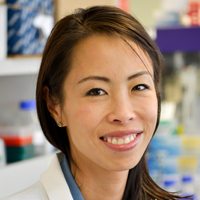
Sherene Loi, MMBS (Hons), FRACP, PhD is a Professor of Medicine at the University of Melbourne and a fellow of the Australian Academy of Health and Medical Sciences. She is a medical oncologist and clinician scientist with expertise in genomics, immunology, and drug development in breast cancer. She has published over 295 peer-reviewed research articles and has ranked in the top 1% of highly cited researchers globally by Clarivate Analytics since 2018. She has won numerous international awards including, but not limited to: American Association for Cancer Research (AACR) Outstanding Investigator Award for Breast Cancer Research, European Society of Clinical Oncology’s Breast Cancer Award, and Prime Minister’s Frank Fenner Prize for Life Scientist of the Year (Australia).
Dr. Loi completed her medical oncology training in Melbourne and worked for a large clinical trial network in Brussels, Belgium for nearly a decade before returning to the Peter MacCallum Cancer Centre as an independent researcher in 2013. She is the Executive Director of Breast International Group (BIG), Chair of the Executive Committee of the Kathleen Cuningham Foundation Consortium for Research into Familial Aspects of Breast Cancer, and Board Director of the Scientific Advisory Committee of the Australia New Zealand Breast Cancer Trials Group, the largest breast cancer clinical trials cooperative group in Australia. She has co-chaired with Dr Roberto Salgado an internationally recognized pathology working group on immune biomarkers in breast cancer (www.tilsinbreastcancer.org) and is a scientific committee member of European Society of Medical Oncology, Molecular Analysis for Precision Oncology Congress, and Molecular Analysis for Precision Oncology Congress.
“BCRF support helped us uncover how pregnancy and immunity protect against breast cancer and enabled immune marker discovery to guide treatment and improve care for young women.”