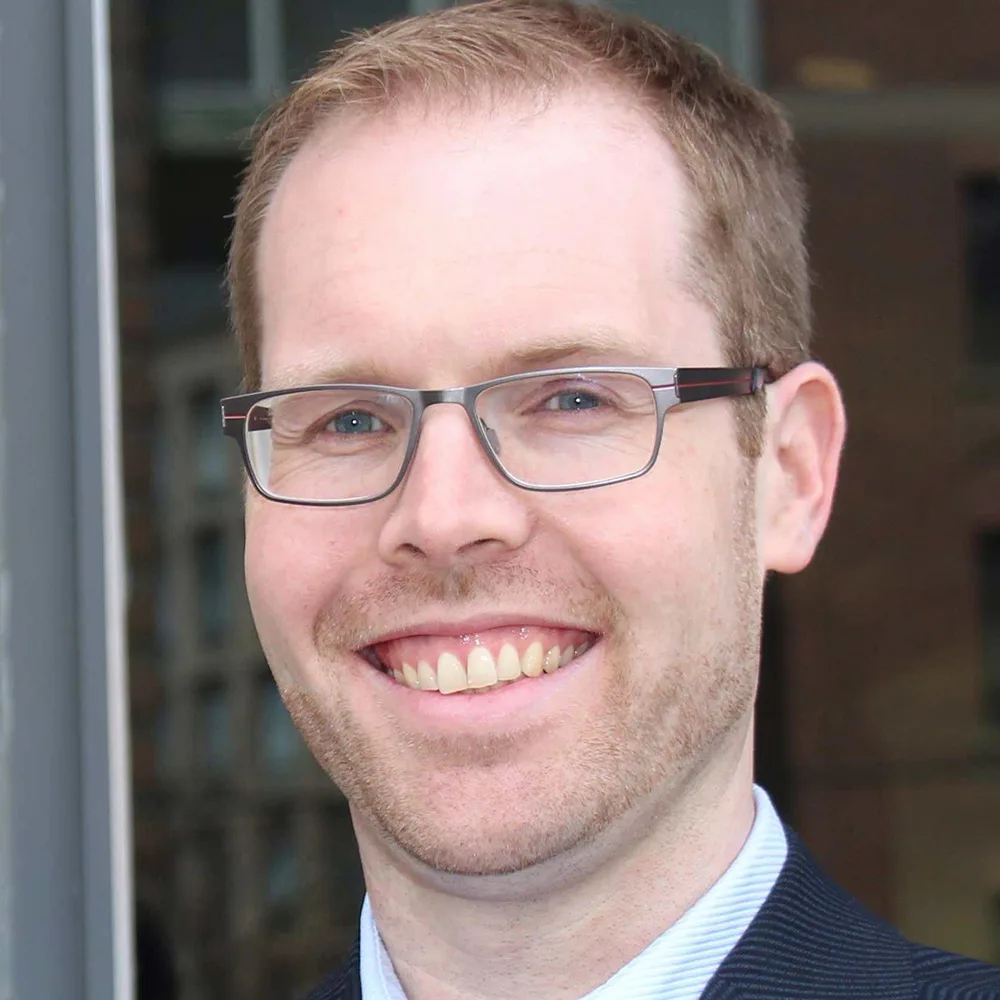
Titles and Affiliations
Director and Senior Scientist, Innovation and Laboratory Medicine Program
Senior Investigator in Genomics, Ontario Institute for Cancer Research
Professor, Department of Medical Biophysics
Research Chair in Translational Genomics
University of Toronto
Research Area
Improving blood tests to detect breast cancer at its earliest stages in people with inherited cancer syndromes.
Impact
Hereditary breast and ovarian cancer syndrome is passed down in families and has been linked to mutations in the BRCA1, BRCA2, and PALB2 genes. Compared to the general population, people with these mutations have triple the risk of developing breast, ovarian, or other cancers during their lifetime. The key to treating these cancers is catching them early and intercepting their development with effective treatment.
The CHARM Consortium is a global network of scientists working to establish blood testing as an effective surveillance tool for people with inherited cancer syndromes. These researchers have shown that cancer DNA free-floating in the blood can be used to detect cancer early in several genetically predisposed groups, including those with hereditary breast and ovarian cancer syndrome. However, these tests are not perfect, and finding small breast and ovarian tumors before they spread remains difficult. Dr. Pugh and his colleagues are working to improve these tests by using signals from the immune system—the canary in the coal mine that is often the first to sense a cancer developing.
What’s Next
Dr. Pugh’s team is looking at circulating DNA from specific immune cells called T-cells, which are responsible for identifying and killing cancer cells. They will also study intact T-cells to determine whether they are actively fighting a cancer or have become ineffective.
To do this, his team will use artificial intelligence algorithms to predict which T-cells can recognize and destroy cancer and will perform laboratory studies to validate these algorithms. They hope to determine the usefulness of a simple blood test to find active anti-cancer T-cells. In addition, these studies will potentially yield a list of specific DNA sequences in T-cells that allow them to recognize cancer. In future studies, this list could be used to develop cell-based treatments or cancer vaccines that boost this specific T-cell population to combat early cancer or even help prevent cancer altogether.
Biography
Trevor Pugh, PhD is a clinical molecular geneticist and genome scientist at Princess Margaret Cancer Centre, University Health Network in Toronto, Ontario which is Canada’s largest provider of single cell genomics services. There he serves as Director and Senior Scientist in the Innovation and Laboratory Medicine Program. He is also Senior Investigator in Genomics at Ontario Institute for Cancer Research, Professor in the Department of Medical Biophysics and Research Chair in Translational Genomics at the University of Toronto Canada.
Dr. Pugh has pioneered the application of genome sequencing to the management of cancer patients. His research group specializes in application of cell-free DNA, immune repertoire, and single cell RNA-seq sequencing to clinical specimens. He has contributed to over 220 manuscripts that have been cited over 50,000 times in peer reviewed scientific publications. He has received several honors including recognition by Canada’s Top 40 Under 40, the Canadian Cancer Society Bernard and Francine Dorval Prize, Web of Science Highly Cited Researchers List, a Terry Fox New Investigator Award, two Till and McCulloch Paper of the Year awards (2021 and 2024), the Allan Slaight Collaborator of the Year Award, the Mona Gauthier Award, and induction into the Royal Society of Canada College of New Scholars, Artists, and Scientists.