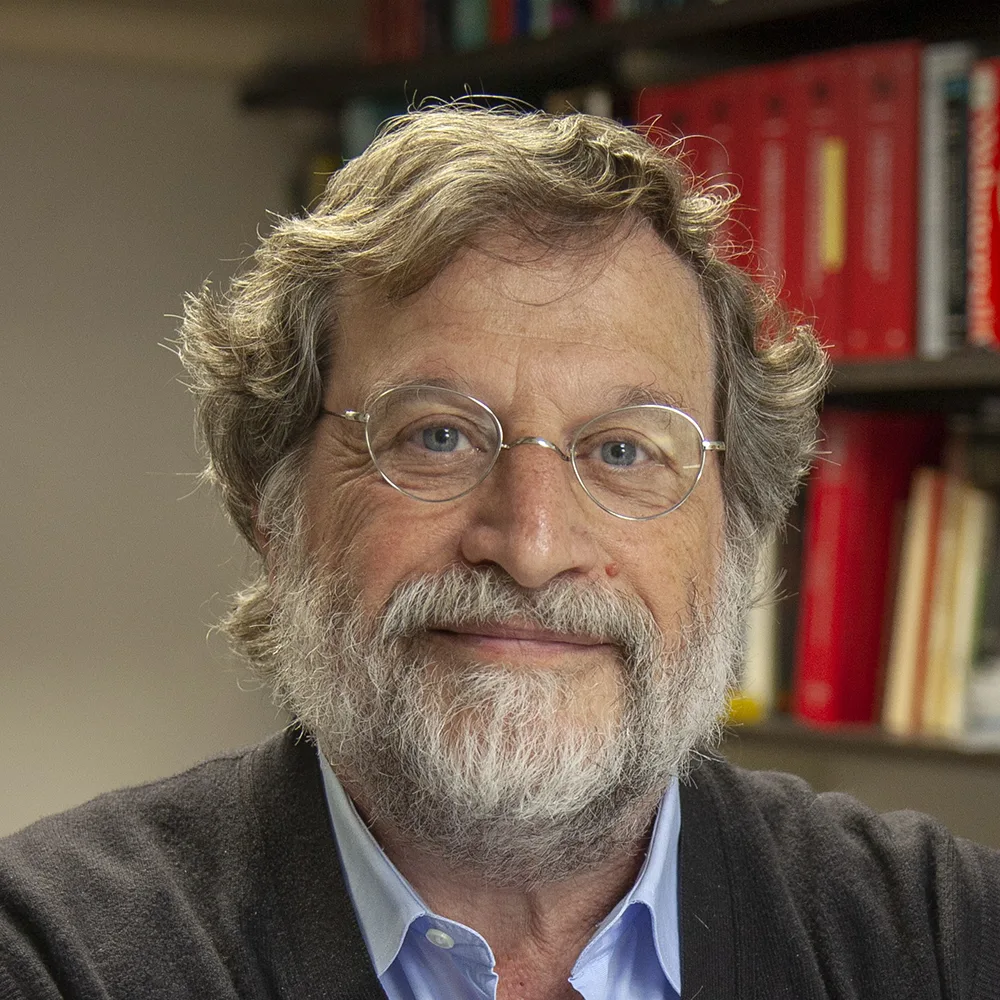
Titles and Affiliations
Theresa and Eugene M. Lang Chair
Professor, Laboratory of Molecular Genetics and Immunology
Research Area
Developing a new antibody-based immunotherapy that activates the immune system to generate stronger and longer-lasting anti-cancer immunity in breast cancer.
Impact
Immunotherapy harnesses a patient’s own immune system to recognize and destroy cancer cells, but most current approaches mainly activate T cells, and only a small fraction of patients with breast cancer benefit. A major reason is that these therapies often fail to engage dendritic cells, the immune system’s “first responders” that alert other immune cells to the presence of a tumor. Dr. Ravetch’s goal is to develop new antibody-based therapies that effectively activate dendritic cells to generate stronger and more durable anti-cancer immunity for patients with breast cancer.
Dendritic cells are switched on in part through a surface protein called CD40, but earlier CD40-targeting therapies failed in the clinic because they were either too weak or too toxic. Dr. Ravetch and his colleagues discovered that effective CD40 activation depends not only on targeting CD40 itself, but also on how the antibody engages other immune cell receptors through a region called the Fc domain of the antibody structure. Using this insight, they developed 2141-V11, an antibody engineered to enhance this engagement and improve dendritic cell activation. In early studies, injecting 2141-V11 directly into tumors proved safe and boosted dendritic cell and T-cell responses, shrinking both treated tumors and distant metastases—including complete responses in a patient with breast cancer—providing a strong foundation for further investigation.
What’s Next
Because 2141-V11 is already being tested in patients with other cancer types, Dr. Ravetch’s findings could be rapidly translated into new breast cancer treatments. In the coming year, his team will perform detailed immune analyses on human breast cancer samples and advanced laboratory models to define how 2141-V11 coordinates interactions between dendritic cells, T cells, and other immune cells, and how these interactions drive effective responses across different breast cancer subtypes. Because many breast cancers evade the immune system in part by impairing dendritic cell function, this work has the potential to benefit patients who currently have few treatment options and to inform combination strategies that make immunotherapy more broadly effective.
Biography
Jeffrey V. Ravetch, MD PhD is the Theresa and Eugene M. Lang Professor and head of the Leonard Wagner Laboratory of Molecular Genetics and Immunology at The Rockefeller University in New York. A native New Yorker, he earned his undergraduate degree from Yale University and both his PhD and MD through Rockefeller’s combined MD/PhD program with Weill Cornell Medical College. He completed postdoctoral training at the National Institutes of Health, where he identified genes for human antibodies. From 1982 to 1996, he was on the faculty of Memorial Sloan Kettering Cancer Center and Cornell University Medical College before joining Rockefeller in 1996.
Dr. Ravetch’s laboratory studies how antibodies interact with immune cell receptors called Fc receptors, work that has reshaped scientists’ understanding of how the immune system defends against disease, tolerates the body’s own tissues, and can be harnessed to treat cancer, infection, and autoimmune conditions. He is a member of the National Academy of Sciences, the National Academy of Medicine, and the American Academy of Arts and Sciences, and has received numerous honors for his research, including the Wolf Prize in Medicine.