Titles and Affiliations
Assistant Professor
Department of Microbiology, Immunology, and Cancer Biology
American Association for Cancer Research
Research Area
Developing a combination therapy that targets both cancer cells and the immune cells that protect them to improve treatment response in triple-negative breast cancer.
Impact
Triple-negative breast cancer (TNBC) is the most aggressive and difficult-to-treat form of the disease, as it does not respond to hormone-based treatments and is more likely to spread and recur. While immunotherapy has shown promise by helping the body’s immune system fight cancer, it is only effective in patients. This is partly because immune cells called macrophages, which normally help fight infection, instead protect cancer cells and blunt treatment effectiveness. Dr. Wang has identified a protein that helps cancer cells survive by altering how they process fats and by suppressing helpful immune responses, making it a promising target for a combination treatment strategy.
What’s Next
In his AACR/BCRF-supported project, Dr. Wang will first investigate how this protein helps cancer cells evade immune destruction and whether blocking it makes cancer cells more vulnerable to immune attack. He will then test whether combining this protein blocking approach with immune-boosting therapies can effectively shrink tumors. If successful, this work would provide the scientific basis for clinical trials testing this combination therapy in patients with TNBC, potentially improving how many patients respond to immunotherapy while also identifying biomarkers to predict who is most likely to benefit.
Biography
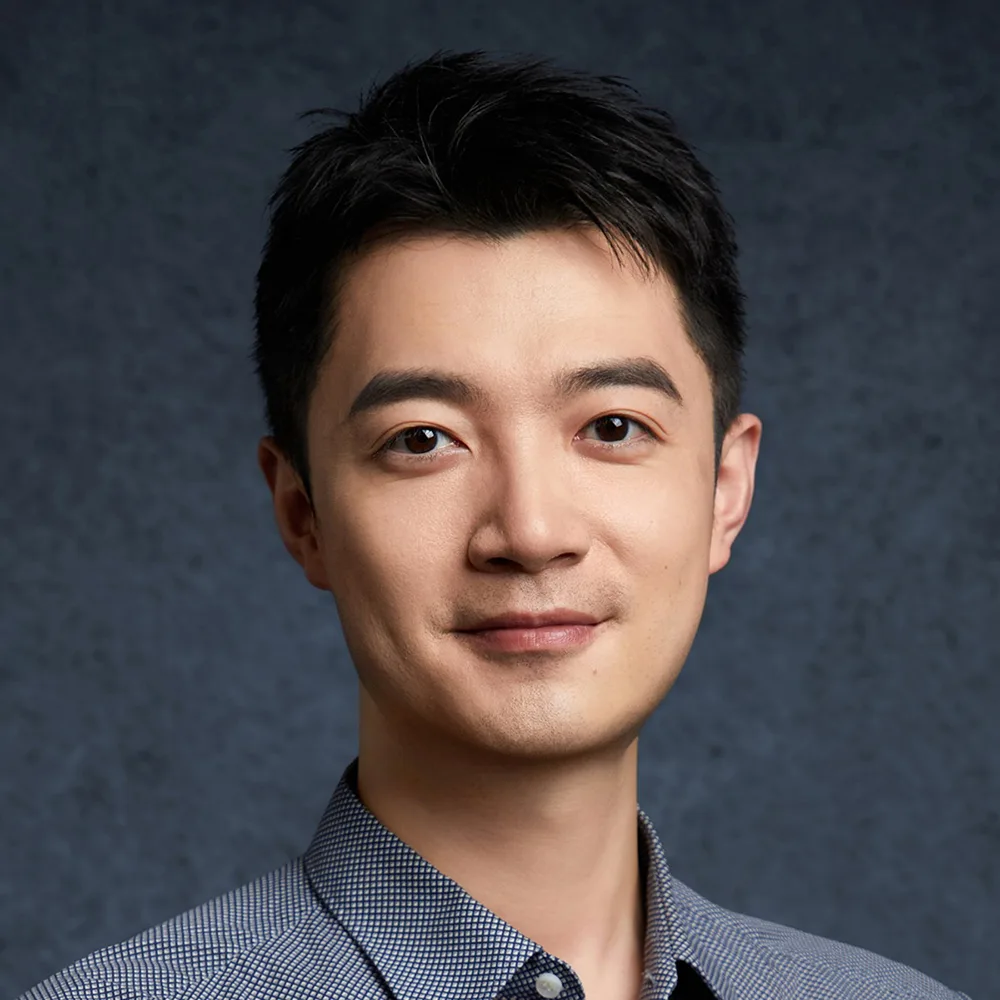
Qiwei Wang, PhD is an Assistant Professor of Microbiology, Immunology, and Cancer Biology at the University of Virginia. He received his PhD from the University of Wisconsin, Madison, studying cell death and chronic inflammation in vascular diseases. He completed postdoctoral training at Dana-Farber Cancer Institute/Harvard Medical School, focusing on the intersection of immunotherapy and targeted therapy, and developing strategies to harness macrophage anti-tumor potential to overcome therapeutic resistance in breast cancer. Dr. Wang’s laboratory investigates how tumors evade immune surveillance and how to restore anti-tumor immunity.