

Titles and Affiliations
Senior Group Leader, Francis Crick Institute & UCL Cancer Institute;
Director, Cancer Research UK Lung Cancer Centre of Excellence, UCL Cancer Institute;
Chair, Personalised Medicine,
Consultant Thoracic Oncologist, UCL Hospitals
Research area
Understanding how triple-negative breast cancers evade the immune system to devise strategies for preventing relapse and developing more effective, personalized treatments.
Impact
Triple-negative breast cancer (TNBC) is an aggressive form of breast cancer with limited treatment options, and relapse remains one of the leading causes of death from this disease. Many patients respond well to initial treatment, but doctors currently have limited ways to predict which tumors are most likely to return or why. Dr. Swanton and his team are working to close this gap. Their earlier discoveries demonstrated a link between the heterogeneity of a tumor’s DNA and poor treatment response. Based on these discoveries, they are developing highly sensitive blood tests to detect tiny amounts of tumor DNA including unusual circular DNA structures which can drive cancer growth. Building on his research, Dr. Swanton and his team are now studying how aggressive tumor cells change over time, searching for hidden inherited causes of TNBC risk and investigating how these tumors manage to hide from the immune system. Ultimately, the goal of this research is to help doctors identify high-risk patients earlier and design more effective, personalized treatments to prevent relapses.
What’s Next
In the coming year, Dr. Swanton’s team will pursue three lines of research. First, they will analyze blood samples collected from patients enrolled in the Breast TRACERx study. Using advanced DNA sequencing, they hope to gain insight into non-genetic changes in DNA that lead to aggressive t behavior in TNBC. They will also study chemical changes to DNA that switch genes on or off, to understand how tumor cells survive treatment and escape the immune system before a cancer returns. Second, the team will investigate inherited breast cancer risk in families where standard genetic testing has not identified a clear cause. Specifically, by examining whether certain inherited changes to DNA increase the likelihood of developing TNBC and whether they could help improve future screening approaches. Third, researchers will study why some TNBC tumors fail to trigger a strong immune response. Identifying which tumor molecules remain visible to the immune system and studying protective immune cells that develop after pregnancy and breastfeeding, they will gain a better understanding of how these factors may help defend against TNBC. Together, these three areas of research aim to reduce the risk of relapse, which remains the biggest challenge facing patients with TNBC.
Biography
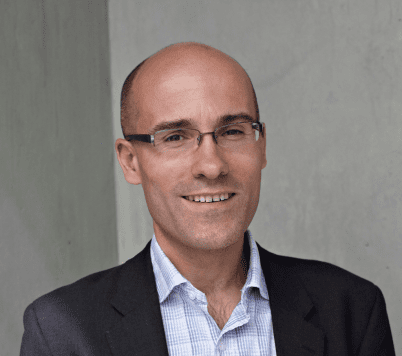
Charles Swanton, MD PhD completed his training in 1999 at the Imperial Cancer Research Fund Laboratories and the Cancer Research UK clinician scientist/medical oncology training program in 2008. Dr. Swanton runs the Cancer Evolution and Genome Instability Laboratory at the Francis Crick Institute and combines his research with clinical duties at UCLH, focused on how tumors evolve over space and time. His research focuses on branched evolutionary histories of solid tumors, processes that drive cancer cell-to-cell variation in the form of new cancer mutations or chromosomal instabilities, and the impact of such cancer diversity on effective immune surveillance and clinical outcome.
Dr. Swanton was appointed to several prestigious societies: Fellow of the Royal College of Physicians in April 2011; Fellow of the Academy of Medical Sciences in 2015; Napier Professor in Cancer by the Royal Society in 2016; Cancer Research UK’s Chief Clinician in 2017; and elected Fellow of the Royal Society in 2018. He has been awarded several prizes including the Stand up to Cancer Translational Cancer Research Prize (2015), Glaxo Smith Kline Biochemical Society Prize (2016), and the San Salvatore Prize for Cancer Research (2017).
He has also received several honors; the Ellison-Cliffe Medal; election into the Royal Society of Medicine (2017); the Gordon Hamilton Fairley Medal (2018); and the ESMO Award for Translational Cancer Research (2019). More recently, he received the UCL Hospitals Celebrating Excellence Award for contribution to world class research (2022) and, in 2021, received the Memorial Sloan Kettering Paul Marks Prize for Cancer Research, the Weizmann Institute Sergio Lombroso Award in Cancer Research, and the International Society of Liquid Biopsy Research Award.

