Titles and Affiliations
Associate Professor, Department of Surgery
Associate Dean of Postdoctoral Affairs
Research area
Understanding the mechanism of metastasis to the lungs to identify new biomarkers and therapeutic targets to prevent it.
Impact
When breast cancer spreads beyond the breast, one of the most common and life-threatening sites it reaches is the lungs. Metastatic spread to the lungs is associated with poorer survival and more limited treatment options, making it a critical focus for researchers. Before cancer cells can take root in distant organs, they must first find a way to enter healthy tissue. Scientists now know that areas called pre-metastatic niches form in the lungs before cancer even arrives, which makes them an important focus of research into the origins of metastatic spread. These niches are rich in immune cells and proteins that provide a welcoming environment for circulating tumor cells, allowing them to take root and begin growing. Understanding how these niches form, and what makes them more vulnerable to cancer spread, may hold the key to preventing metastatic disease.
Progress Thus Far
Dr. Ryeom and her team confirmed that a protein called fibroblast activation protein (FAP) is produced when factors released by cancer cells activate normal cells in distant organs, marking the formation of these pre-metastatic niches before tumor cells actually arrive. The team’s overarching goal is to use this marker to determine which patients may be at risk for their cancer spreading after their primary tumor has been surgically removed, since detecting this risk early is critical to preventing widespread metastasis.
What’s next
In the year ahead, Dr. Ryeom and her team will determine the precise timeline for when FAP appears in the liver and lungs relative to when cancer cells actually arrive at these organs, using several laboratory techniques to confirm its expression. They will also work to optimize a method for detecting FAP using a specialized imaging technique, PET/CT scanning with a radioactive tracer that binds to FAP, with the goal of identifying pre-metastatic niches in real time within the body. This could eventually allow doctors to identify patients at high risk for metastasis and tailor treatment plans before cancer has the chance to spread.
Biography
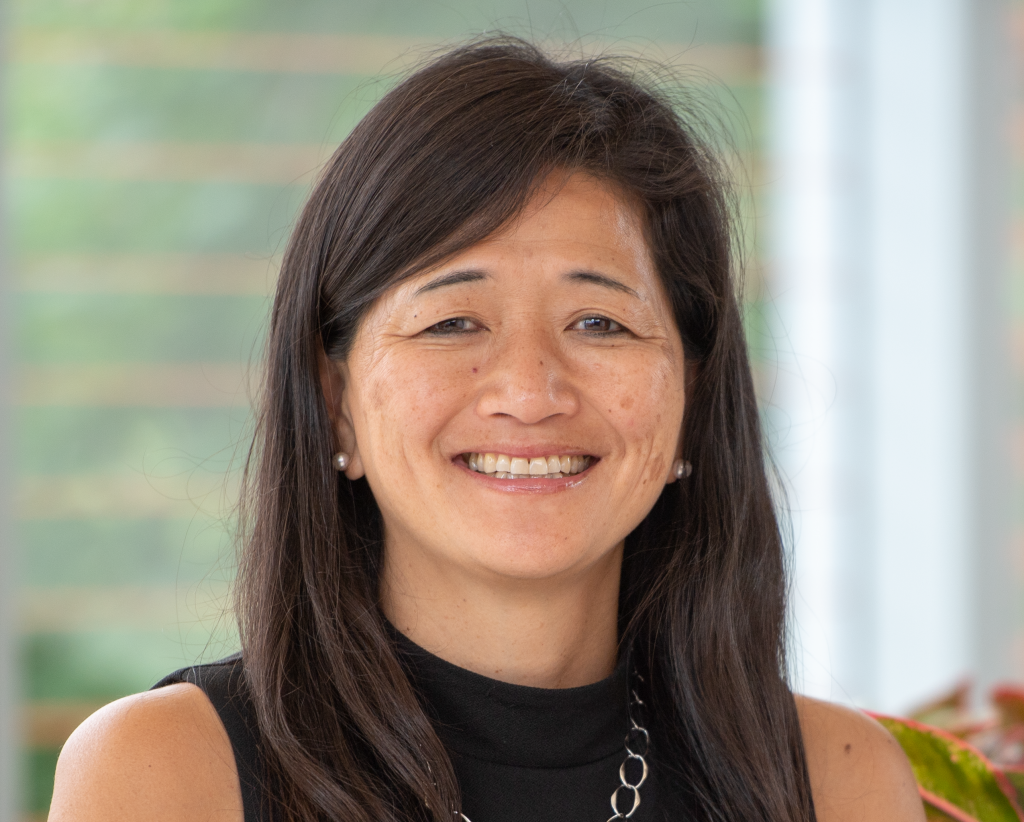
Sandra Ryeom, PhD is an Associate Professor in the Department of Surgery and the Division of Surgical Sciences at Columbia University Irving Medical Center. She is also an Associate Dean of Postdoctoral Affairs and New Master’s Degree Programs. Dr. Ryeom’s research interests focus on understanding the role of endothelial cells and fibroblasts in the tumor microenvironment and in metastases. Dr. Ryeom completed her bachelor’s degree in physics from Wellesley College and doctoral degree in cell biology and genetics at the Weill Cornell Graduate School of Medical Sciences. Dr. Ryeom completed her training with a postdoctoral fellowship in cell biology at Harvard Medical School. She started her independent career at Children’s Hospital in Boston as an Instructor at Harvard Medical School followed by her move to the University of Pennsylvania Perelman School of Medicine where she was a tenured Associate Professor in the Department of Cancer Biology prior to her move to Columbia University Medical Center.