Titles and Affiliations
Professor and Chairman, Department of Radiation Oncology
Associate Vice Chancellor Cancer Programs
Rutgers Cancer Institute of New Jersey
Robert Wood Johnson Medical School
Research area
Improving and personalizing radiation therapy in patients with breast cancer.
Impact
Radiation is at least one component of the therapeutic regimen employed in treating most patients with breast cancer. Dr. Haffty seeks to further understand how radiation therapy (RT) influences the molecular profile of the tumor, the immune response, and how a patient’s inherited genetic mutations influence treatment outcomes. These studies are unique in that they span the continuum of medical research from basic laboratory experiments and translational studies to clinical trials so that he and his team can immediately link the results from each study.
Progress Thus Far
Dr. Haffty and his team have discovered that a short course of radiation delivered before surgery, known as the “preoperative boost,” leads to increased HER2 expression in both low and high HER2-expressing tumors. This increased expression is associated with an improved response to HER2-targeted therapy in laboratory systems, including models of brain metastasis. In a newer line of research, the team has been exploring whether induced electromagnetic fields, a safe technology already available to patients as a wearable vest, can make breast tumors more responsive to radiation. Preliminary laboratory studies show enhanced response to radiation when combined with this approach.
On the clinical side, the team completed enrollment in their trial testing the preoperative radiation boost. The molecular and immune changes in patient tumors mirror what the team observed in the laboratory. A follow-up trial building on this work is now in development through one of the national cooperative research groups.
What’s next
In the laboratory, the team will continue to explore how to best sequence and time radiation to improve outcomes in HER2-expressing tumor models and will further investigate how to combine induced electromagnetic fields with radiation to optimize response. The team will continue to report outcomes from their completed preoperative radiation trial and evaluate molecular and immune markers in patient tumors treated with this approach, while the cooperative group’s follow-up trial continues to move forward.
Biography
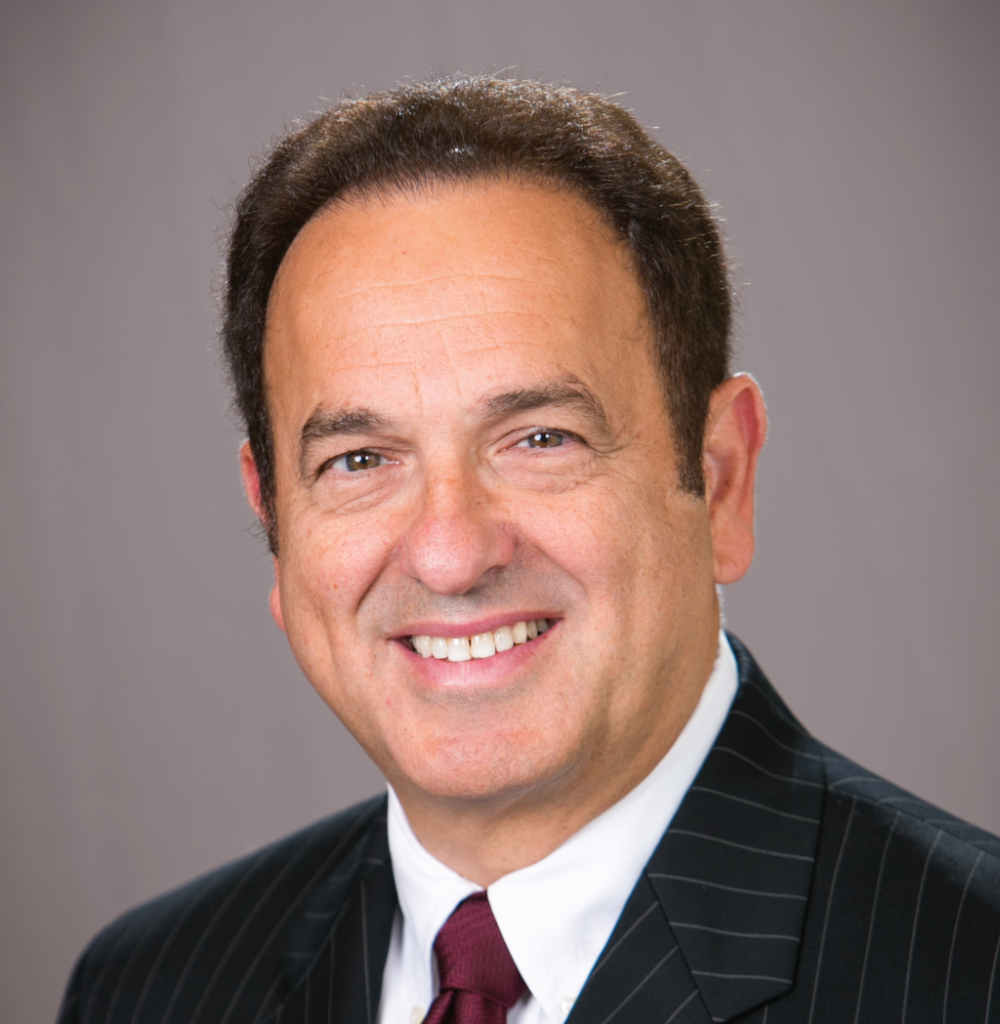
Bruce G. Haffty, MD is a Professor and Chair of the Department of Radiation Oncology at the Rutgers-Robert Wood Johnson Medical School, New Jersey Medical School, and the Cancer Institute of New Jersey. He is Associate Vice Chancellor for Cancer Programs at Rutgers Biomedical and Health Sciences. His medical school training, internship, residency, and chief residency was conducted at Yale University. Dr. Haffty was a Professor of Yale’s Department of Therapeutic Radiology, served as residency program director from 1992-2004, and was Vice Chairman and Clinical Director from 2002-2005. He moved to the Robert Wood Johnson Medical School and Cancer Institute of New Jersey in 2005.
Dr. Haffty’s laboratory is devoted to novel molecular targets in radiation therapy for cancers and his team has several ongoing clinical and laboratory investigations related to radiation treatment of breast cancer and other malignancies. He has published over 450 peer-reviewed articles and 30 book chapters. In addition to a busy clinical practice, Dr. Haffty has served on numerous national committees related to research and education in breast cancer and radiation oncology. He is currently Deputy Editor of the Journal of Clinical Oncology. Dr. Haffty is a Fellow of the American Society of Radiation Oncology (FASTRO), American College of Radiology (FACR), and the American Society of Clinical Oncology (FASCO). He recently became an Honorary Member of the European Society of Radiology.