Titles and Affiliations
Instructor of Medicine, Division of Oncology
Conquer Cancer, the ASCO Foundation
Research Area
Investigating why some breast cancer cells survive chemotherapy to better predict and prevent recurrence.
Impact
Breast cancer outcomes are better when the disease is caught early and responds well to treatment. Chemotherapy is often given before surgery to shrink tumors but accurately measuring how much cancer remains afterward continues to pose a challenge for clinicians. The current method of visually examining removed tissue under a microscope can miss tiny amounts of cancer that may lead to recurrence. Dr. Ransohoff has developed a new DNA-based method to detect this remaining cancer, and found that in patients whose cancer later recurs, the tumor left behind tends to be more spread out through the breast interspersed with normal tissue that responded to treatment. For her Conquer Cancer research supported by BCRF, Dr. Ransohoff will study the specific DNA changes driving this pattern of chemotherapy resistance.
What’s Next
Because tumor response to chemotherapy is closely tied to the immune system’s response against it, Dr. Ransohoff will also develop a method to study how tumor and immune cells interact across different areas of the tumor. Her team will directly compare this DNA-based approach to blood-based tests for detecting residual cancer. This research aims to reveal how certain cancers resist chemotherapy at the DNA level, helping guide new medications designed to target these changes and improve survival.
Biography
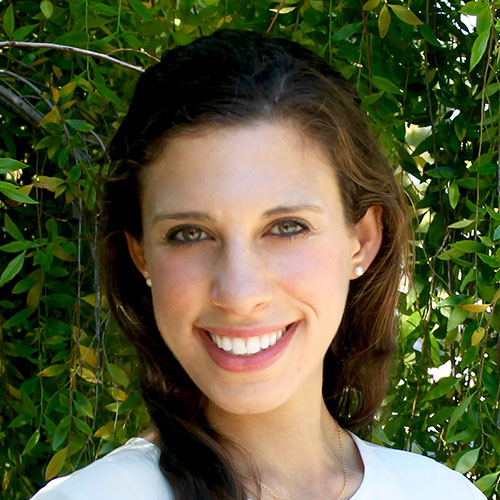
Julia Ransohoff, MD is a physician-scientist and breast medical oncologist with a research focus on cancer genomics and breast cancer biology. She is an Instructor in the Division of Medical Oncology, training under the primary mentorship of Ash Alizadeh, MD, PhD. Her research focuses on building and applying molecular methods to profile how tumors respond to treatment, with the goal of understanding the variable clinical responses of breast cancers to treatment at the genomic level by profiling molecular residual disease. Her current work involves exploring mechanisms of chemoresistance and immune evasion, identifying novel therapeutic targets, and characterizing spatial treatment response patterns. In related work, she also studies epidemiological risk factors for breast cancer mortality with a focus on the gut microbiome, oncofertility, and racial and ethnic differences in treatment response. She is also a clinically active oncologist, treating patients with breast cancer.