

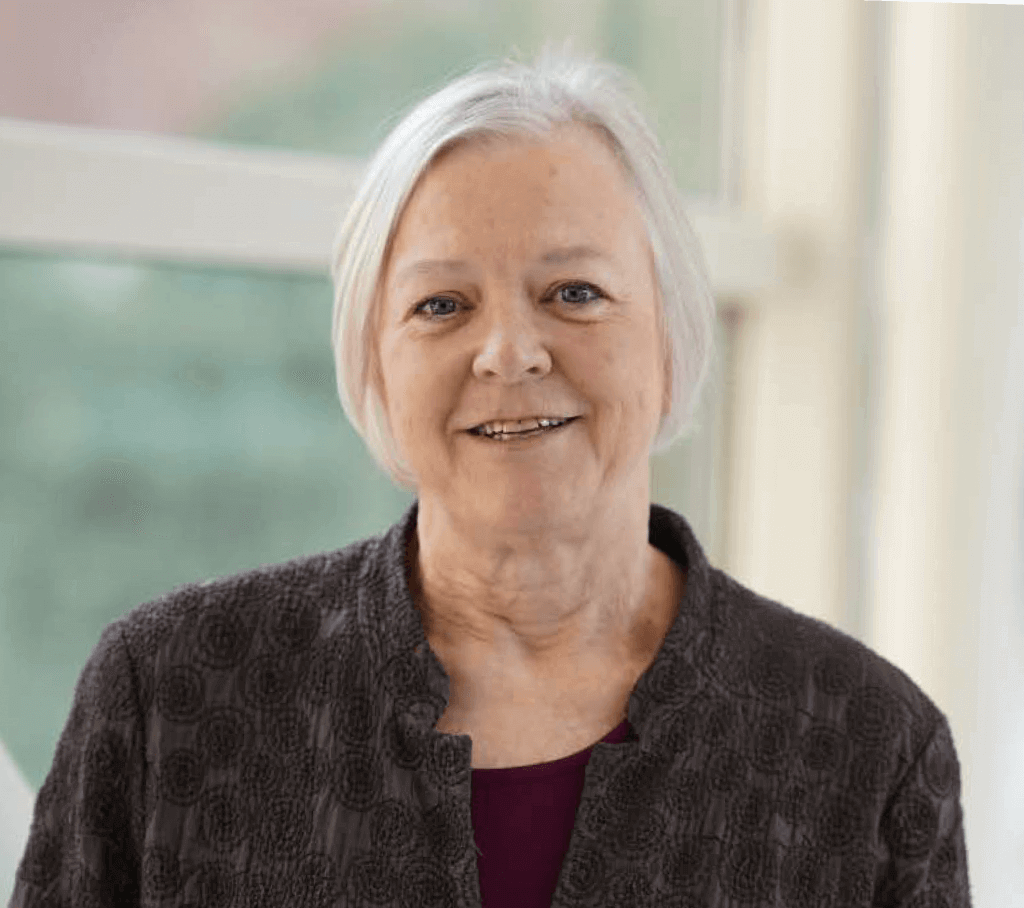
Titles and Affiliations
Department Chair, Cancer Prevention and Control
Research area
Understanding the molecular drivers of aggressive breast cancer in Black women and how these are different in white women.
Impact
Black women are 42 percent more likely to die of their breast cancer than white women. Those diagnosed with breast cancer are more likely to be younger than newly diagnosed white women and are two times more likely to be diagnosed with triple-negative breast cancer (TNBC), an aggressive subtype of the disease. Drs. Ambrosone and Hong are investigating several biological and lifestyle factors that may influence the incidence of TNBC in Black women. Increasing evidence suggests that social, environmental, and lifestyle factors, including psychosocial stress, neighborhood conditions, physical activity, and body size, may influence the biologic processes involved in cancer development and progression, potentially helping to explain how social and behavioral experiences “embedded” in the body and influence cancer risk and outcomes. This work may provide new insights at the population level into why some women develop more aggressive breast tumors so that personalized prevention and treatment can be designed.
Progress Thus Far
Drs. Ambrosone and Hong initiated the North South Breast Cancer Study (NSBCS) to be able perform comparable analyses in both Black women and White women. To date, the team has interviewed 3,532 women with breast cancer, 875 of whom self-report as Black. One question Drs. Ambrosone and Hong are investigating is the role of psychosocial factors in the cause of more aggressive tumors, particularly how these external factors influence the breast cancer tumor immune microenvironment (TIME). The questionnaire for NSBCS includes several assessments related to stress, worry, coping and resiliency, as well as sleep and financial health. Among Black participants, nearly half (48%) met the survey criteria for increased risk of clinical depression, and 18% had anxiety scores reflecting moderate to severe anxiety. In collaboration with BCRF investigator Dr. Neha Goel at Memorial Sloan Kettering Cancer Center, the team is also evaluating factors related to neighborhood—perceived social cohesion, perceived neighborhood order and disorder and perception of safety while walking, as well as perceived discrimination. Drs. Ambrosone and Hong also formed a collaboration with BCRF investigator Dr. Annette Stanton and included assessments for the Strong Black Woman (SBW) Syndrome, an archetype of how Black women should act, characterized by emotional restraint, independence, and caretaking. As expected, Black women had higher scores for depression and financial toxicity and had more negative perceptions of their neighborhoods. The team found that the SBW schema may increase vulnerability to psychological distress among Black American women diagnosed with breast cancer and may represent a promising, modifiable target for culturally responsive psychosocial interventions.
What’s next
Building on their findings, the team will use multiplex panels of immune and inflammatory markers to stain breast tumors, including over 500 estrogen receptor-negative tumors, focusing on these immune profiles for in-depth analyses of how psychosocial factors may interact with the tumor immune microenvironment. Once this characterization is complete, the team will be able to determine whether psychosocial factors like the SBW schema affect immune status within tumors. Finally, the team will explore data from the Women’s Circle of Health Study (WCHS), which aims to evaluate factors explaining the earlier age at diagnosis and the more aggressive nature of breast cancer among Black women compared to White women. Because WCHS includes the same neighborhood-related questions, the team will use its available genome-wide DNA methylation data to examine how these and other psychosocial factors affect epigenetic regulation relevant to inflammation, immune response, and tumor progression.
Read more about Dr. Ambrosone’s work as part of BCRF’s Health Equity Initiative here.
Biography
Dr. Ambrosone is a Distinguished Professor of Oncology, Chair of the Department of Cancer Prevention and Control, and Senior Vice President for Population Sciences at Roswell Park Comprehensive Cancer Center. She is also co-leader of the CCSG Population Sciences Program. She was formerly a member of NCI’s EPIC Study Section and the ACS’s study section on Carcinogenesis, Nutrition and the Environment, and has served on several special emphasis panels and SPORE reviews. She is former Senior Editor for Cancer Research, was a member of the Board of Scientific Advisors to the Director of the National Cancer Institute until 2012, and served on the Interagency Breast Cancer and Environmental Research Coordinating Committee, established by the US Secretary of Health and Human Services to examine the state of the science on breast cancer and the environment and provide recommendations for future directions in research.
Dr. Ambrosone’s research focuses on both the etiology of breast cancer and factors that influence recurrence and survival after breast cancer diagnosis. She leads a number of studies aimed at determining factors that could account for the high prevalence of more aggressive breast tumors among African-American women, and mechanisms underlying these associations. She is also involved in studies of genetic variability in cancer treatment outcomes (pharmacogenetics) and the potential effects of diet, supplements, and lifestyle factors during and after therapy on breast cancer treatment outcomes.