


Breast Cancer and Lymphedema: What You Need to Know
There is no way to prevent lymphedema, but early detection, healthy habits, and proper care can reduce symptoms and improve quality of life
Key Takeaways
- Lymphedema is a possible side effect of breast cancer treatment that can occur when surgery, radiation, or other treatments affect the lymphatic system.
- Lymphedema can develop months or even years after treatment, so it’s important to recognize early signs and talk with your care team about any changes.
- Symptoms may include swelling, heaviness, tightness, discomfort, or changes in the arm, hand, breast, chest, or underarm area.
Lymphedema is swelling caused by a buildup of lymph fluid. It may happen when nearby lymph nodes are removed with a tumor, interrupting the flow of lymph—an important fluid for fluid balance and immune support—throughout the body.
While advances in breast cancer treatment, particularly surgery, have reduced the risk of lymphedema for many patients, it remains a concern for some breast cancer survivors and thrivers. After breast cancer surgery and/or treatment, it is important for patients to recognize symptoms early and work with their care team to manage their risk.
What is lymphedema?
Lymphedema is swelling caused by a buildup of lymph fluid that occurs when the lymphatic system cannot drain properly. After breast cancer treatment, it most commonly affects the arm, hand, breast, chest, or underarm area on the treated side.
“Many first report tightness of clothing,” says BCRF researcher Dr. Electra Paskett, the co-chair of the American Lymphedema Framework Project.
To understand lymphedema, it helps to understand the lymphatic system. The lymphatic system is part of the immune system and consists of a network of cells, tissues, organs, and vessels throughout the body. The lymphatic system helps maintain fluid balance and supports immune function. It collects various substances from tissues and carries them through the lymphatic vessels to the lymph nodes, where immune cells filter out bacteria, viruses, cancer cells, and other pathogens. The lymph continues through the lymphatic system, ultimately reentering the blood so that the process can repeat.
What causes lymphedema after breast cancer treatment?
Breast cancer treatments can damage or disrupt lymph vessels and lymph nodes, affecting fluid drainage. When fluid does not drain properly, it can lead to swelling in the affected area.
Surgery and lymph node removal
Breast cancer surgeries that check for lymph node involvement can affect lymphedema risk. A sentinel lymph node biopsy generally carries a lower risk for lymphedema than an axillary lymph node dissection because it only removes a small number of lymph nodes (one to five). An axillary lymph node dissection removes more lymph nodes and disrupts more lymphatic vessels. Newer surgical approaches—such as axillary reverse mapping to identify vessels that drain the arm and immediate lymphatic reconstruction to connect damaged lymphatic vessels to alternative veins for draining—may reduce risk.
Radiation therapy
Radiation can damage the lymphatic vessels or lymph nodes and cause inflammation and scarring in surrounding areas. This can affect lymphatic drainage and cause fluid to build up, leading to swelling. Radiation to the armpit or collarbone area carries a higher risk of lymphedema than radiation to the breast or chest wall.
Other factors that may increase risk
- Infection or injury: This can trigger inflammation, leading to fluid retention.
- Limited arm movement after treatment: Inactivity can lead to stiffness and fluid buildup.
- Higher body weight: Too much tissue can put extra stress on the lymphatic system.
- Additional surgeries or procedures affecting the lymphatic system: These can further disrupt how the system operates.
What are the symptoms of breast lymphedema?
Common signs and symptoms of lymphedema to watch for include:
- Swelling in the arm, hand, breast, chest, or underarm
- Feeling of heaviness, tightness, or fullness
- Aching, tingling, or discomfort
- Changes in skin texture or appearance
- Reduced flexibility or difficulty moving nearby joints
- Clothing, jewelry, or bras fitting differently
Symptoms can develop soon after treatment or months or even years later, so it is important to remain vigilant.
How is lymphedema diagnosed?
Healthcare providers typically diagnose lymphedema through medical history, symptom review, and physical examination. They may sometimes use measurements or imaging tests to evaluate swelling or lymphatic function. Speak with your healthcare team if you notice changes that may point to lymphedema.
How is lymphedema treated and managed?
While there is currently no cure for lymphedema, early care and ongoing support can often help manage symptoms. There are a variety of common approaches to managing lymphedema, including:
Compression therapy
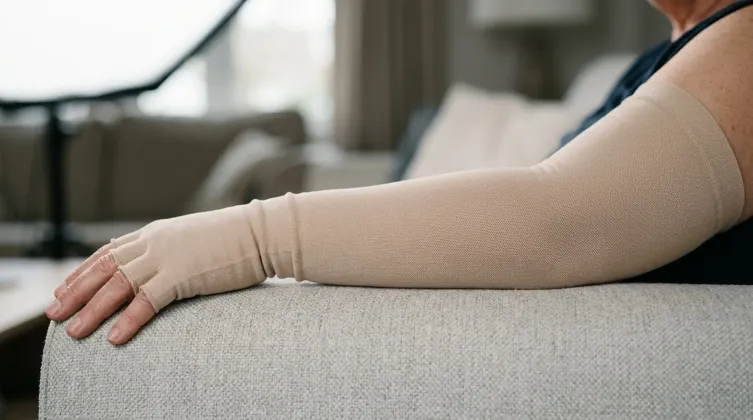
Compression garments add gentle pressure to the affected area, which can help reduce fluid buildup and support lymph flow. Recent legislation increased insurance reimbursement for lymphedema garments and therapies, Dr. Paskett says.
Exercise and physical therapy
Movement, stretching, and specialized lymphedema therapy can help fluid circulate better, reducing swelling.
“A certified lymphedema provider can provide treatment strategies and exercise tailored to each person,” says Dr. Paskett. “Some studies have found that graduated weight training under supervision works well.”
Skin care and infection prevention
Protecting the skin and preventing infection are important for people at risk of lymphedema. Cuts, burns, bites, and other injuries can introduce bacteria into the body, leading to inflammation, which in turn increases fluid. In people with lymphedema, lymphatic drainage is already compromised, making it harder for the body to clear out the excess fluid. This can lead to a worsening of an existing case, or other infections like cellulitis.
Additional treatments
There are other approaches to managing lymphedema, including specialized massage techniques and surgical options for certain patients. Your healthcare provider can tell you which, if any, may be right for you.
Can you reduce your risk of lymphedema after breast cancer?
There is no guaranteed way to prevent lymphedema, but awareness and early management can help reduce the risk. Some practical steps to discuss with your healthcare team include:
- Staying physically active and gradually returning to exercise
- Maintaining a healthy weight
- Protecting the skin from injury and infection
- Following post-treatment movement recommendations
- Monitoring for early changes or symptoms
When should you talk to your doctor about possible lymphedema?
Check in with your doctor if you notice any of these symptoms of lymphedema:
- New or unexplained swelling
- Increasing tightness or heaviness
- Skin changes
- Pain, redness, warmth, or signs of infection
- Sudden changes in the affected area
Addressing symptoms early can help prevent them from worsening.
Finding support after breast cancer treatment
Breast cancer side effects like lymphedema can continue after active treatment ends, but resources and support are available. Staying informed about possible treatment side effects, discussing your concerns with your healthcare team, and exploring trusted resources like BCRF can help you feel a sense of control over a lymphedema diagnosis.
Today, we know more about lymphedema than ever before thanks to science. Support the research behind these discoveries: Donate, start a fundraiser, or explore other ways to give and help fund the science that’s moving breast cancer research forward.
Frequently asked questions
Is breast lymphedema the same as breast cancer recurrence?
No. Breast lymphedema is caused by a buildup of lymph fluid if the lymphatic system is affected by breast cancer treatment. While you should always discuss swelling after treatment with your healthcare team, lymphedema itself is not the same as breast cancer recurrence. Your doctor can help determine the cause of any new or changing symptoms you notice.
Can lymphedema affect areas other than the arm after breast cancer treatment?
Yes. Although many people associate lymphedema with arm swelling, it can also affect areas such as the breast, chest wall, underarm, shoulder, or back. The location depends on where lymphatic drainage has been disrupted.
Should I see a specialist for breast cancer-related lymphedema?
If you notice possible signs of lymphedema, your healthcare team can help evaluate your symptoms and recommend next steps. Some people may benefit from working with a certified lymphedema therapist who specializes in assessing and managing lymphatic conditions.


