
Titles and Affiliations
President, Helen Diller Family Comprehensive Cancer Center
Senior Vice President for Cancer Services, UCSF Health
Professor of Medicine, Division of Hematology/Oncology
Research area
Identifying new therapeutic targets for aggressive forms of breast cancer.
Impact
Triple-negative breast cancer (TNBC) is an aggressive disease with poor prognosis. Although TNBC patients benefit from standard chemotherapy, and some fare well with new immunotherapies, overall, they face high recurrence rates and are more likely to experience tumor chemoresistance. There is therefore an urgent need to develop new targeted therapies for these patients.
Progress Thus Far
Dr. Ashworth and his team identified a protein called xCT as a potentially promising therapeutic target for TNBC. This protein serves as a molecular transporter; it sits within the outer membranes of cells, funneling specific molecules into the cell and expelling others. Tumor cells can use it to eject chemotherapies and take in nutrients. While it is dispensable for the function of healthy cells, loss of xCT function is lethal to tumor cells, making it an attractive therapeutic target. Importantly, xCT is present in approximately half of TNBC tumors and high levels are associated with worse outcomes for patients. The team previously created a biosensor to screen for new drugs that block xCT, publishing this work over the past year along with the results of the drug screens. One major challenge in designing xCT inhibitors is that the protein is crowded by other proteins, making it difficult for blocking molecules to reach and interact with it. To overcome this, the team is now using computational tools to design new proteins that are small and precisely shaped so that they can fit into this tight space, and has created tagged versions of xCT that will help measure how well these newly designed proteins bind to it.
What’s next
Next, Dr. Ashworth’s team evaluate nine newly designed xCT-binding proteins. These proteins will be screened for their ability to bind xCT in cell models, and those showing specific binding will be tested for their ability to alter cellular cysteine, glutathione, and secreted glutamate levels. On-target inhibition will be confirmed using the team’s cysteine biosensor in cell models, and binding to purified xCT protein will be independently verified. Together, this work aims to deliver a highly selective therapeutic agent that could form the foundation for a new class of targeted treatments for TNBC and other hard-to-treat breast cancers.
Biography
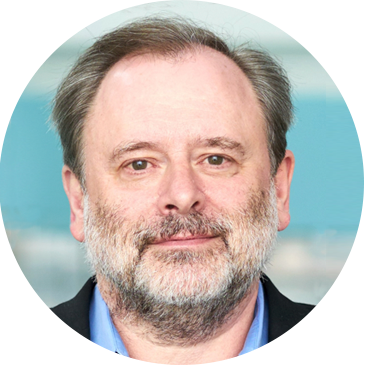
Alan Ashworth, PhD, FR, is President of the UCSF Helen Diller Family Comprehensive Cancer Center in San Francisco, a role he began in January 2015. He was previously Chief Executive of the Institute of Cancer Research (ICR) in London, United Kingdom.
In 1999 he was appointed the first Director of the Breakthrough Breast Cancer Research Centre where he was also Professor of Molecular Biology and leader of the Gene Function team. Professor Ashworth’s Directorship ended in January 2011 when was appointed Chief Executive of the ICR.
A translational biologist and laboratory researcher, Dr. Ashworth’s research focuses on understanding breast cancer genetics and applying what he learns to change the way patients are treated. He was a key part of the team that identified the BRCA2 breast cancer susceptibility gene, which is linked to an increased risk of some types of cancer. Ten years later, Dr. Ashworth found a way to kill off BRCA1- and 2-related tumor cells by treating them with PARP inhibitors, which amplifies the damage caused by the broken DNA repair machinery in those cells. This exemplifies the genetic principle of synthetic lethality in cancer therapy.
Dr. Ashworth is an elected member of EMBO and the Academy of Medical Sciences and a Fellow of the Royal Society. He has been the recipient of a number of scientific prizes and awards including The European Society of Medical Oncology Lifetime Achievement Award, the David T. Workman Memorial Award of the Samuel Waxman Cancer Research Foundation and the Meyenburg Foundation’s Cancer Research Award and was the inaugural winner of the 2013 Basser Global Prize. He has also recently been selected as the recipient of the 2015 Genetics Society Medal.