
Titles and Affiliations
Professor of Medicine and Epidemiology
Division of Medical Oncology
Chief, Division of Hematology/Oncology
Director of Breast Oncology
Herbert Irving Comprehensive Cancer Center
Research area
Improving breast cancer outcomes by reducing the long-term side effects of treatment.
Impact
Women with metastatic breast cancer (MBC) are living longer, and many experience long-term toxicities from therapy and a diminished quality of life. Dr. Hershman is conducting interventional studies that aim to reduce adverse effects, control pain, improve treatment adherence, and improve quality of life for patients in all stages of breast cancer. Her current research focuses on a series of projects seeking to improve the quality of life for patients living with MBC. These include understanding how financial factors influence therapy adherence, creating a risk prediction model for acute and emergency care use, and improving therapy uptake and adherence in premenopausal women with breast cancer.
Progress Thus Far
Dr. Hershman and her team are focused on improving care delivery in patients with metastatic breast cancer. In the last year, they completed several projects that found: (1) younger women with breast cancer are at the highest risk for non-adherence to endocrine therapy, which is recommended long-term for some patients; (2) ovarian function suppression has increased over time, specifically in women who are younger with high-risk breast cancer but is still suboptimal overall; and (3) use of GLP1 inhibitors has increased in breast cancer survivors and is associated with decreased cardiovascular events. Analysis of the results from a large prospective study has also helped her team establish a risk prediction model for the development of taxane-induced neuropathy. This model will be used to offer targeted interventions to those at highest risk. In a separate study, they are evaluating employment disruptions and their impact on health insurance and subsequent quality of cancer care.
What’s next
In the next year, Dr. Hershman will continue to assess the impact of employment disruptions. In addition, her team will evaluate a pill dispensing system to assist with complex medication regimens for patients on CDK4/6 inhibitors and endocrine therapy. They will also evaluate dose finding studies and incorporate patient reported outcomes to better define maximum tolerated dose. The combination has the potential to improve the likelihood that medications are tolerated and adhered to.
Read more about Dr. Hershman’s work as part of BCRF’s Health Equity Initiative here.
Biography
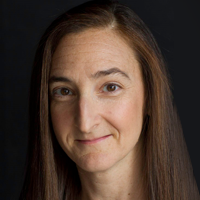
Dawn Hershman, MD, MS is an American Cancer Society Professor of Medicine and Epidemiology, chief of the Division of Hematology/Oncology, director of Breast Oncology and deputy director of the Herbert Irving Comprehensive Cancer Center at Columbia University Medical Center. She also is the co-leader of the Cancer Population Sciences Program at Herbert Irving Comprehensive Cancer Center. She serves as the Southwest Oncology Group vice chair for the National Cancer Institute Community Oncology Research Program. Her expertise is in the areas of breast cancer survivorship, late effects of cancer therapy, health outcomes, cancer care delivery, and clinical trials. She has published over 250 scientific articles and received numerous awards, such as the ASCO David Karnofsky Science of Oncology Award, ASCO Women Who Conquer Cancer Mentorship Award and Advanced Clinical Research Award, Inductee to the Giants of Cancer Care 2020 class, and the ASCO/BCRF Comparative Effectiveness Professorship.