
Titles and Affiliations
Instructor, Experimental Therapeutics
American Association for Cancer Research
Research Area
Targeting cancer-associated fibroblasts to improve outcomes for breast cancer patients.
Impact
Tumors are formed not only by cancer cells themselves but rather contain multiple cell types known as the tumor microenvironment that support cancer growth and the spreading throughout the body. Cancer-associated fibroblasts (CAFs) are an abundant cell population in the tumor microenvironment that have a pro-tumorigenic function themselves, including sending signals to immune and vascular cells that sustain tumor progression. The focus of Dr. Kugeratski’s AACR research supported by BCRF is to understand the biology of CAFs and uncover potential treatment candidates to specifically target them.
Progress Thus Far
Over the past year, Dr. Kugeratski and her team focused on how low oxygen levels (hypoxia), a common feature of aggressive and advanced breast tumors, changes the behavior of CAFs. They found that hypoxia strongly increases the production of a protein called LRRC17 in CAFs, and that LRRC17 is found exclusively in fibroblasts within breast tumors, making it a particularly promising candidate for CAF-targeted therapy. The team found that LRRC17 acts as a master regulator of inflammation by controlling production of a molecule that fuels tumor growth, blood vessel formation, and treatment resistance, ultimately activating signaling pathways that create an environment favorable to tumor progression. Using breast cancer models that remove LRRC17 from tumor CAFs, the team found that its loss delays tumor growth and reshapes the abundance and behavior of key immune cells in a way that favors anti-tumor immunity.
What’s Next
Building on these findings, Dr. Kugeratski and her team are developing a novel therapy to target LRRC17 directly within tumors, using small particles loaded with an agent that blocks LRRC17 production in CAFs. By uncovering how hypoxia drives harmful inflammation through LRRC17, this research could lead to new therapies that target the tumor microenvironment rather than the cancer cells alone.
Biography
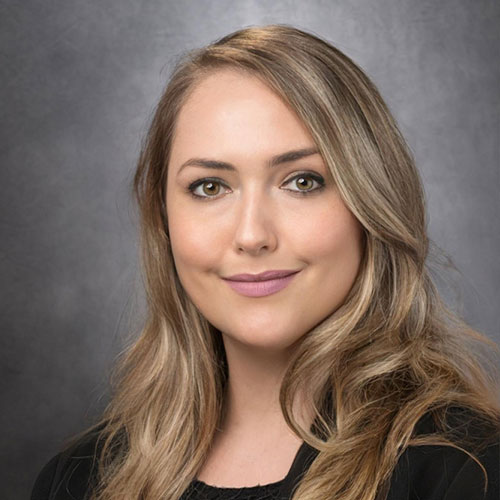
Fernanda Kugeratski, PhD is a cancer biologist specializing in cell-cell communication in breast cancer. She received her PhD in Cancer Sciences from the University of Glasgow and joined MDACC for her postdoctoral training in Cancer Biology and Immunology. Dr. Kugeratski’s work led to seminal discoveries in hypoxia-driven angiogenesis, characterization of the core proteome of exosomes, and utilization of engineered extracellular vesicles for cancer treatment. Dr. Kugeratski joined the Department of Experimental Therapeutics at MDACC as faculty in 2024. She combines model systems with spatial proteomics analysis of patient samples to define new functions of cancer-associated fibroblasts in immune regulation.