

Titles and Affiliations
L. Richardson and Marilyn Jacobs Preyer Distinguished Professor in Breast Cancer Research
Deputy Director of Clinical Sciences, Lineberger Comprehensive Cancer Center
Member, BCRF Scientific Advisory Board
Research area
Investigating the biological underpinnings of metastatic breast cancer by conducting in-depth molecular analyses of tumor samples.
Impact
Most of what researchers know about breast cancer biology is based on studying the primary cancer, or the cancer that originates in the breast. Less is known, however, about the biology of metastatic breast cancer (MBC), or cancer that spreads from the breast to other organs. Determining the biology at different metastasis sites and how different organs affect cancer behavior may ultimately inform decisions on individualized therapy and treatment.
Using tumor samples collected from multiple sources, Dr. Carey and her team are comparing original tumors with metastatic tumors from the same patients. Using state-of-the-art cellular and genetic analyses to reveal their differences, they have found that a subset of tumors can switch molecular or clinical subtype upon metastasis, and that MBC can evade immune cells, a behavior that tends to vary by metastatic site. Further, they have discovered a predominant intrinsic subtype in MBC, but proportions vary by age and race. This research is dedicated to studying the biology of metastatic breast cancer at an unprecedented level of detail, to uncover why MBC is often more difficult to treat.
Progress Thus Far
In the past year, the team is continuing to collect tumor samples through several complementary efforts and has enrolled 126 patients in a tissue banking study and eight patients in the UNC Rapid Autopsy Program, a program that allows researchers to collect tissue samples after death to capture the full extent of the tumor’s diversity. The ongoing HARMONY trial (NCT03769415), which studies RNA expression and molecular subtypes in blood and tissue samples to optimize therapy in patients with metastatic breast cancer, is nearly fully accrued. Early findings indicate that tumors that appear similar by standard testing may in fact contain diverse genetic profiles, and analysis is now underway to determine how molecular subtype testing influences real-world treatment decisions.
What’s Next
The team will complete accrual in the HARMONY trial this year, in part by activating a hybrid decentralized model at two new clinical sites. This model combines traditional in-person visits at a main clinical site with remote options, such as virtual visits and local lab testing. The team is also planning the next phase of the HARMONY trial, which will expand beyond molecular testing to incorporate digital pathology, or high-resolution imaging of tumor tissue, and blood-based biomarkers, while continuing to collect and analyze samples through the tissue banking and Rapid Autopsy programs. These combined efforts aim to reveal new ways to predict which patients are most likely to benefit from certain therapies, identify those at greatest risk for recurrence, and determine whether this more complete picture of a patient’s tumor can change treatment decisions.
Read more about Dr. Carey’s work as part of BCRF’s Health Equity Initiative here.
Biography
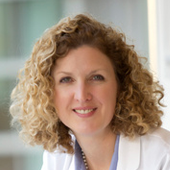
Lisa A. Carey, MD, ScM, FASCO is the L. Richardson and Marilyn Jacobs Preyer Distinguished Professor in Breast Cancer Research and Lineberger Comprehensive Cancer Center Deputy Director of Clinical Sciences at the University of North Carolina, Chapel Hill (UNC). Dr. Carey has a longstanding interest in the clinical implications of tumor molecular subtypes and microenvironmental influences on response to therapy and outcomes in breast cancer. She designs and leads clinical trials of novel drugs and approaches and is a close collaborator with several laboratory investigators and epidemiologists.
Dr. Carey graduated from Wellesley College, received her medical degree from the Johns Hopkins University School of Medicine where she remained for her residency in Internal Medicine, followed by a postdoctoral fellowship in Medical Oncology and an advanced degree in Clinical Investigations. She joined the UNC faculty and Lineberger Comprehensive Cancer Center in 1998 and was the Chief of the Division of Hematology and Oncology and Physician-in-Chief of the North Carolina Cancer Hospital from 2012-2020, prior to assuming her current role. In 2023, she was appointed the Vice-Chair of the BCRF Health Equity Initiative (HEI). She has served in many roles for the American Society of Clinical Oncology (ASCO), the American Association for Cancer Research (AACR) and is a member of the Susan G. Komen Scientific Advisory Board. She is a recipient of the National Cancer Institute Director’s Service Award, a Fellow of the American Society of Clinical Oncology (FASCO) and has served as the co-Chair of the Alliance National Cooperative Group Breast Committee since 2017.
“Because of BCRF, I have been able to quickly attend to issues important to our patients, launch transdisciplinary initiatives, innovate using new technology, and support the clinical and translational trials that are the linchpin of my value to the breast cancer community.”