

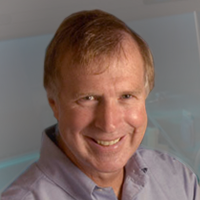
Titles and Affiliations
Karel and Avice Beekhuis Endowed Professor in Cancer Biology
Professor of Internal Medicine
Associate Director, Stem and Regenerative Medicine Institute
Stanford Cancer Institute
Stanford Bio-X
Research area
Identifying effective methods for targeting cancer stem cells which play a significant role in breast cancer recurrence and metastasis.
Impact
Despite advances in the early detection and treatment of breast cancer, many patients will experience a recurrence, sometimes years after the treatment of their primary cancer. Dr. Clarke’s laboratory was the first to identify breast cancer stem cells (CSCs) as major contributors to metastasis, the spread of breast cancer to distant sites. CSCs are also potential drivers of recurrence because of their ability to survive cancer therapy and lie dormant for many years. CSCs are a minor population within tumors but eliminating them may be required to prevent cancer from returning. Dr. Clarke and his team focus on identifying new therapeutic targets that will specifically eliminate breast CSCs and biomarkers that signal which patients are at risk of breast cancer recurrence.
Progress Thus Far
A major challenge in developing therapies targeting CSCs is that they are very similar to normal stem cells. New treatments must be specific to the CSCs to avoid serious side effects. Dr. Clarke and his team have continued to optimize a set of compounds designed to target triple-negative breast cancer stem cells while sparing healthy stem cells elsewhere in the body. This same drug also appears to enhance the immune system’s response against cancer. The team has also continued refining a biomarker that identifies patients with triple-negative breast cancer who are at high risk of recurrence.
What’s next
In the next year, Dr. Clarke’s team will further refine their lead drug compounds to prepare them for broader efficacy and safety testing, working towards building the evidence needed to test the drug in patients. They will also advance their biomarker toward the evidence needed to support its use in identifying which patients require additional therapy to help prevent breast cancer recurrence. If successful, this research could lead to new, more precise treatments for triple-negative breast cancer and a new biomarker to better guide treatment decision-making.
Biography
Michael Clarke, MD is a Professor of Medicine at Stanford University. He is the Karel and Avice Beekhuis Professor in Cancer Biology and Associate Director of the Stanford Institute for Stem Cell Biology and Regenerative Medicine. His interest is in stem cell biology, and in addition to clinical duties in oncology, Dr. Clarke maintains a laboratory focused on two areas of research: i) the control of self-renewal of normal stem cells and diseases such as cancer and hereditary diseases; and ii) the identification and characterization of cancer stem cells. His laboratory is pursuing how perturbations in the self-renewal machinery contribute to human disease. His focus is to aid in the development of more effective treatment therapies for various forms of cancer.