
Titles and Affiliations
Director
Professor of Medicine
Research area
Developing novel therapies that will improve outcomes for patients with very aggressive breast cancer.
Impact
Inflammatory breast cancer (IBC) and triple-negative breast cancer (TNBC) are aggressive forms of the disease. Although IBC affects only two to four percent of breast cancer patients, it is responsible for about 10 percent of breast cancer deaths in the United States. A significant portion of IBCs are triple-negative meaning that they lack three key targets for treatment–estrogen- and progesterone-receptors and HER2 protein—which gives patients limited treatment options. Thus, new treatment strategies to reduce IBC or TNBC recurrence and metastasis are urgently needed. Dr. Ueno and his team showed that a drug targeting a prevalent cancer growth factor called EGFR could improve response to immunotherapy in laboratory models. His team is investigating the effectiveness of combining EGFR-targeted therapy with immunotherapy for treating aggressive breast cancers. Dr. Ueno is also identifying biomarkers for selecting patients who will benefit from EGFR-targeted therapy, developing novel therapies to target EGFR, as well as devising strategies to enhance the effectiveness of these drugs in these difficult to treat breast cancers.
Progress Thus Far
Their laboratory studies have shown that an anti-EGFR drug called panitumumab increased the infiltration of immune cells into the microenvironment and the tumor, effectively reducing tumor growth. This effect is mediated by the EGR1 transcription factor that regulates the expression of immunosuppressive factors. They did not see similar activity, however, when panitumumab was used in combination with immunotherapy in patients with triple-negative IBC. Dr. Ueno’s group created a new version of an emerging treatment called O’PROTACs–oligonucleotide-based proteolysis-targeting chimera–which are designed to target and eliminate EGR1. They are now working to translate this strategy into a treatment for patients.
What’s next
In the coming year, Dr. Ueno will build on his results to develop a way to deliver O’PROTACs (OPs) specifically and effectively to tumors and then release the drug within tumor cells so it can degrade EGR1. His group is specifically testing two tumor-targeted delivery approaches for EGR1 OPs. Using laboratory models, they will test whether the delivered OPs can degrade EGR1 and inhibit tumor growth. In addition, Dr. Ueno will use single-cell RNA sequencing and multiplexed imaging, to better understand how EGR1 influences immune cells and other components within the TME. By developing new strategies to precisely target EGR1 and reprogram the TME into a more immune-active state, Dr. Ueno’s research may lead to more effective therapies for aggressive breast cancers and establish a new approach for targeting difficult-to-drug proteins in aggressive cancers.
Biography
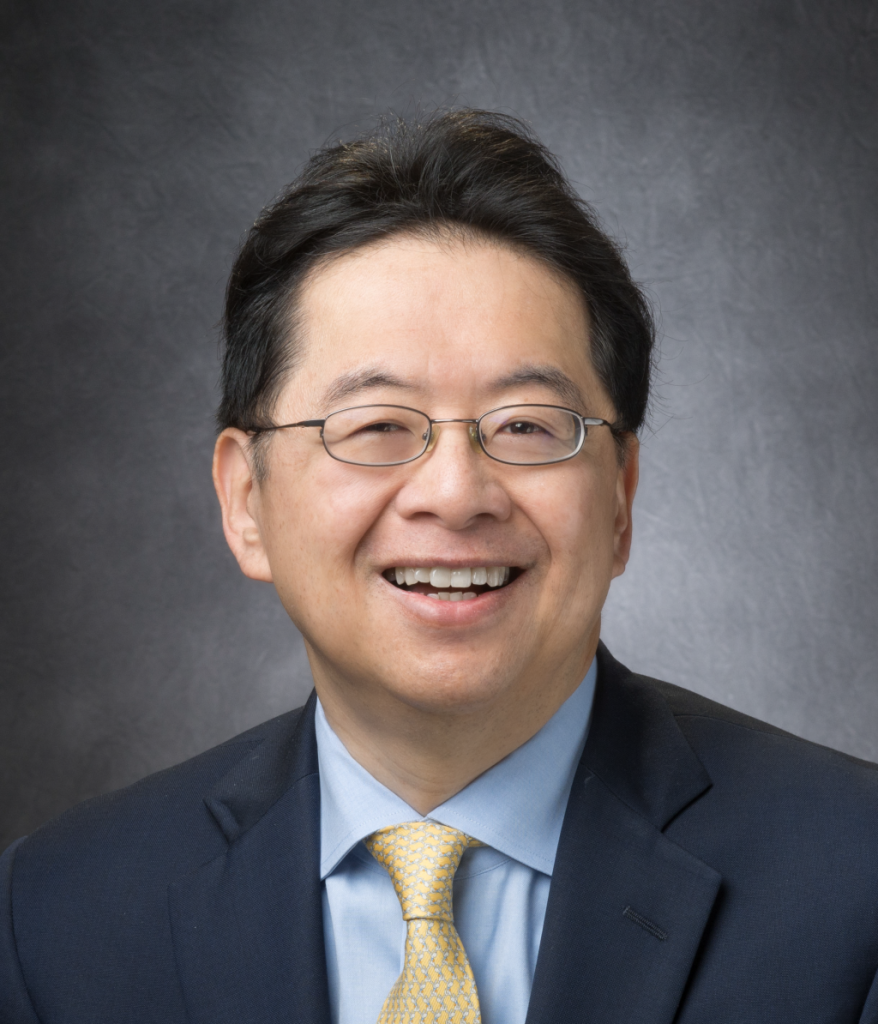
Naoto T. Ueno is a Professor of Medicine at The University of Texas MD Anderson Cancer Center; his research is in the area of inflammatory breast cancer/triple negative breast cancer, the molecular mechanism of metastasis (cancer microenvironment), and tumorigenicity in breast cancer. He is best known for his preclinical development for E1A, EGFR, HER2, MAPK pathway targeting therapy leading to novel clinical trials related. He is the Executive Director of the Morgan Welch Inflammatory Breast Cancer Program and Clinic and Section Chief of the Translational Breast Cancer Research at Department of Breast Medical Oncology.
He is passionate about education related to clinical/translational research. He received The University of Texas System Regents’ Outstanding Teaching Award in 2013. Dr. Ueno received the Nylene Eckles Distinguished Professorship of Breast Cancer Research in 2012. He also received MD Anderson Distinguished Clinical Faculty Mentor Award in 2019.
“If not for BCRF, we would not have achieved breakthroughs in targeting EGR1 and unraveling the tumor microenvironment in aggressive breast cancer.”