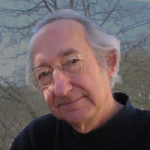


Titles and Affiliations
Enid A. Haupt Professor and Chairman, Radiation Oncology
Research area
Identifying targeted approaches for the treatment of BRCA-driven breast cancer.
Impact
Many breast and ovarian cancers arise from defects in a DNA repair pathway called homologous recombination (HR). Mutations in genes that control HR give rise to breast cancer, such as the well-known BRCA1 and BRCA2 genes. Defects in HR result in the buildup of DNA mutations in breast cells that lead to breast cancer. In normal cells, this type of DNA damage would likely be lethal, but tumor cells can rely on back-up or secondary DNA repair pathways to survive and grow. Because healthy cells, where BRCA genes function normally, do not rely on these same backup pathways, a drug that disables them could kill cancer cells while leaving healthy cells largely untouched, offering a treatment that is both more effective and less toxic than current options.
Progress Thus Far
The research team of Drs. Powell, O’Donnell, and Holloman are working to identify small molecule compounds (drugs) that directly block secondary DNA repair pathways that are critical to the survival of BRCA-driven breast cancer. These new drugs are highly selective in killing tumor cells, without negative side effects towards healthy cells in the body because healthy cells still have the normal HR pathway to repair their DNA. The team is pursuing two such backup pathways as drug targets: RAD52, a protein that helps drive HR, and a three-protein complex called 9-1-1, which protects cells from harmful single-strand DNA gaps that arise during DNA replication and are especially common in BRCA-deficient cancers. The team has confirmed that inhibiting either RAD52 or 9-1-1 kills cancer cells through distinct mechanisms and has identified a lead compound against RAD52 that is now being refined for improved potency. The team has also determined the molecular structure of the 9-1-1 complex, providing a detailed blueprint to guide the search for drugs that block it. In contrast to PARP inhibitors, which prevent broken DNA from being repaired by a secondary pathway, these new drugs work without producing DNA damage and therefore should ultimately reduce the long-term effects of therapy. In addition, these drugs will work when the cancer cell has become resistant to PARP inhibitors.
What’s next
In the coming year, team’s next step for RAD52 is to use medicinal chemistry and related techniques to sharpen the activity of their lead compound, drawing on novel laboratory assays developed specifically for this purpose. For 9-1-1, the team will complete their screen of chemical compounds and determine the structures of their most promising candidates. If these show the right activity, they will follow the same refinement process used for RAD52.These efforts could ultimately lead to safer, more precise therapies for patients with BRCA-mutated cancers.
Biography
Simon Powell, MD, PhD is the Enid A. Haupt Professor and Chairman of the Department of Radiation Oncology, Memorial Sloan Kettering Cancer Center. He is a member of the Molecular Biology Program of the Sloan-Kettering Institute, and Weill Cornell Graduate School of Medical Sciences. His research area is DNA repair and breast cancer, with a focus on cancer specific defects in DNA repair and the DNA damage response. This led Dr. Powell to delve into the function of the breast cancer susceptibility genes, BRCA1 and BRCA2. The current focus of his work is the molecular mechanisms of BRCA1 recruitment to double-strand breaks and replication fork block, and the subsequent engagement of BRCA2. A new additional interest is the discovery of synthetic lethality in cancer cells lacking the function of the BRCA1-BRCA2 pathway, which has both mechanistic implications as well as applications for therapeutic strategies.
Dr. Powell was an undergraduate at Oxford University and received his doctoral training in both medicine and science from the University of London. He was a faculty member at Harvard Medical School, and then at Washington University School of Medicine in St. Louis before being recruited as Chairman of Radiation Oncology at Memorial Sloan Kettering Cancer Center.