

Titles and Affiliations
Professor of Epidemiology and Nutrition
Department of Nutrition
Harvard T.H. Chan School of Public Health
Boston, Massachusetts
Research area
Understanding the effects of diet and gut microbial health on breast cancer risk.
Impact
Lifestyle choices, including diet, can play a pivotal role in breast cancer prevention. Diets rich in vegetables, fruits, whole grains, fish, and olive oil have consistently been associated with a decreased risk of breast cancer. Recent studies have suggested that the gut microbiome—the collection of millions of intestinal bacteria—plays an important role in modulating the risk of several chronic diseases, including breast cancer, by altering estrogen metabolism. At the same time, it is now understood that diet plays a significant role in shaping the microbiome and its overall health. Dr. Willett is examining relationships between diet and breast cancer risk to identify ways to reduce risk and mortality from this disease.
Progress thus far
Dr. Willett and his team completed an analysis using the international Diet and Cancer Pooling Project, which draws on data from over 1.7 million women worldwide, including 75,000 breast cancer cases demonstrating a modest correlation of higher intake of cruciferous vegetables with a reduced risk of breast cancer overall. The protective effect was more pronounced for estrogen receptor (ER)-negative and triple-negative breast cancers (TNBC), with broccoli showing especially strong associations. The pattern held even when looking at diets reported during adolescence. The team also identified a strong association between adolescent intake of trans and saturated fat and later breast cancer risk, a finding they plan to investigate further.
What’s next
In the coming year, Dr. Willett and his team will examine specific compounds found in cruciferous vegetables and lifestyle factors in relation to different breast cancer subtypes, using the extensive data available through the Nurses’ Health Study cohorts. They will integrate molecular tumor data into the analysis to examine whether pre-diagnosis cruciferous vegetable intake is linked to specific tumor gene expression profiles.
Biography
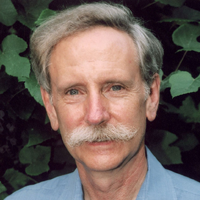
Walter C. Willett, MD, DrPH is Professor of Epidemiology and Nutrition at the Harvard T.H. Chan School of Public Health and Professor of Medicine at Harvard Medical School. Dr. Willett was born in Hart, Michigan and grew up in Madison, Wisconsin, studied food science at Michigan State University, and graduated from the University of Michigan Medical School before obtaining a Doctorate in Public Health from Harvard School of Public Health.
Dr. Willett has focused much of his work over the last 40 years on the development of methods, using both questionnaire and biochemical approaches, to study the effects of diet on the occurrence of major diseases. He has applied these methods starting in 1980 in the Nurses’ Health Studies I and II and the Health Professionals Follow-up Study. Together, these cohorts that include nearly 300,000 men and women with repeated dietary assessments are providing the most detailed information on the long-term health consequences of food choices.
Dr. Willett has published over 2,000 articles, primarily on lifestyle risk factors for heart disease and cancer, and has written the textbook, Nutritional Epidemiology, published by Oxford University Press. He also has four books book for the general public, Eat, Drink and Be Healthy: The Harvard Medical School Guide to Healthy Eating, which has appeared on most major bestseller lists, Eat, Drink, and Weigh Less, co-authored with Mollie Katzen, The Fertility Diet, co-authored with Jorge Chavarro and Pat Skerrett, and most recently, Thinfluence, co-authored with Malissa Wood, emphasizing the powerful and surprising effect friends, family, work, and environment have on weight. Dr. Willett is the most cited nutritionist internationally and is among the five most cited persons in all fields of clinical science. He is a member of the National Academy of Sciences and the recipient of many national and international awards for his research.