


What Is a Mastectomy?
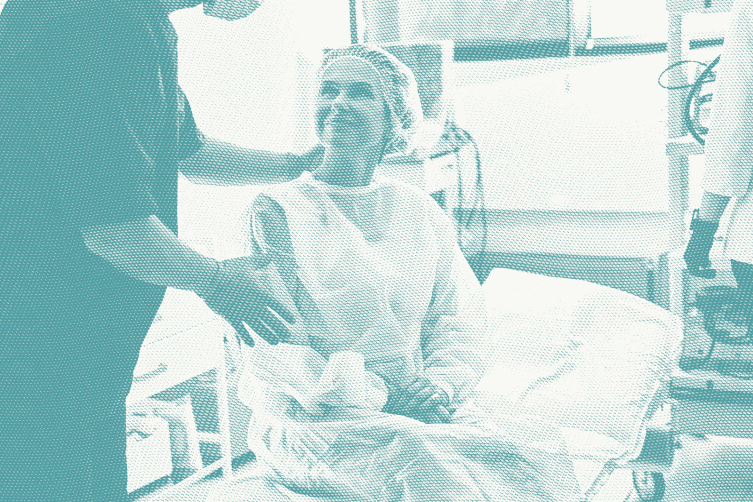
Everything to know about this common surgery for breast cancer treatment, including types of mastectomies, recovery time, and more
Key Takeaways
- A mastectomy is surgery to remove some or all breast tissue to treat breast cancer or reduce future risk. There are several types depending on diagnosis and individual risk.
- Doctors perform mastectomies based on factors such as cancer size or location, genetic risk, and individual treatment goals.
- Recovery varies by person and procedure, but some people may return to light daily activities within a few weeks. Full recovery often takes 4-6 weeks, and if reconstruction is involved, 6-8 weeks or more.
- BCRF funds research that helps improve surgical approaches, recovery, long-term outcomes, and quality of life.
Most women diagnosed with breast cancer will undergo some type of surgery as part of their treatment plan. One of the main options is a mastectomy, a procedure that surgeons have been performing for hundreds of years to remove one or both breasts. You and your doctor will discuss many factors to help you decide if a mastectomy is the right option for your situation.
Read on to learn when the procedure is and isn’t recommended, the various types of mastectomies doctors perform, and what you can expect during the recovery process.
What is a mastectomy?
A mastectomy is a surgical procedure to remove some or all the tissue from one or both breasts. The term comes from “mastos,” the Greek word for breast. Traditional mastectomies remove the nipple, areola, and breast skin, but you may be a candidate for newer types of mastectomies that allow you to keep them.
A mastectomy may be combined with other procedures as well. If you opt for breast reconstruction, your surgeon may be able to perform the procedure at the same time as your mastectomy.
Why are mastectomies performed?
A mastectomy physically removes cancer cells and tumors from breast tissue and can also help prevent breast cancer from spreading (metastasizing) to other sites in the body. Once cancer has spread from the breasts and nearby lymph nodes, it is known as stage 4 or metastatic breast cancer and can be treated but is no longer curable.
You might be wondering: What stage of breast cancer requires a mastectomy? It’s an option for nearly every stage and type of the disease, including:
- Stage 0 (noninvasive) breast cancer, also called ductal carcinoma in situ (DCIS)
- Early-stage breast cancer (stages 1 and 2)
- Locally advanced breast cancer (stage 3)
- Locally recurrent breast cancer
- Inflammatory breast cancer following chemotherapy
- Paget’s disease
Doctors consider more than disease stage when recommending a mastectomy, however. Your doctor may also recommend a mastectomy if:
- Your tumor is larger than 2 inches across or is large compared to the overall size of your breast.
- There are two or more tumors located in different areas of your breast that aren’t close enough to each other to be removed together.
- You have malignant microcalcifications throughout your breast.
- You have undergone a lumpectomy, but there is still cancerous tissue at the edge (margins) of the removal site.
- You have a connective tissue disease, such as lupus or scleroderma, that can make you particularly sensitive to the side effects of radiation.
In some cases, doctors may also recommend mastectomy to prevent breast cancer in women who are at high risk of developing the disease.
Mastectomies are not recommended in certain situations. For example, in metastatic breast cancer—when the disease has already spread beyond the breast—systemic therapies are typically prioritized over surgery, although mastectomy may be considered in select cases for symptom control. Your doctor may also advise against a mastectomy if:
- You have a serious medical condition(s) that significantly increase the risks of surgery or anesthesia.
- The likelihood of benefit from surgery is low compared with potential risks.
- The cancer is so extensive that surgery would be technically unsafe or unlikely to provide adequate disease control.
Decisions about mastectomy are individualized and based on cancer characteristics, overall health, and patient preferences.
Types of mastectomy
There are several types of mastectomy. The best option for you depends on your cancer stage, tumor location, lymph node involvement, genetic risk, and whether you’re considering breast reconstruction.
What is a unilateral mastectomy?
A unilateral mastectomy removes the tissue from one breast. Your surgeon may recommend this procedure if your cancer is only in one breast and you don’t have a high risk of cancer occurring in both breasts.
What is a bilateral mastectomy?
During a bilateral mastectomy—also called a double mastectomy—the surgeon removes both of your breasts. Most breast cancer patients won’t need a double mastectomy, but it may be necessary in certain circumstances, including if you have cancer in both breasts and/or you have previously received radiation to your chest. You may benefit from a prophylactic (preventive) bilateral mastectomy if you have genetic mutations that increase your risk of breast cancer (BRCA1, BCRA2, etc.) and/or you have several close family members who have been diagnosed with breast cancer at a young age.
Some women with cancer in one breast opt for a double mastectomy to make their breasts more symmetrical. Others may remove both breasts out of concern the cancer will occur in the other breast. But unless you’re at high risk of developing cancer in the healthy breast, there’s no overall survival benefit in removing both breasts.
What is a simple (total) mastectomy?
A simple mastectomy, also called a total mastectomy, is the most common type of mastectomy. The surgeon removes the breast tissue, including the nipple, areola, and breast skin, but does not remove chest wall muscle. The surgeon does not routinely remove lymph nodes under the arm, though he or she may perform a sentinel lymph node biopsy.
Your doctor may recommend a simple mastectomy if cancer is confined to the breast, if multiple areas of cancer are present within the breast, or as a risk-reducing option for people with a high genetic risk of developing breast cancer.
Some people choose to have breast reconstruction at the same time as a simple mastectomy, while others decide to wait or not to reconstruct. A care team can help explain the options and what to expect based on individual needs and treatment goals.
What is a skin-sparing mastectomy?
This is a modified version of a simple mastectomy that preserves as much of the breast skin as possible. Most women are candidates for this procedure, but it’s recommended with immediate breast reconstruction because the remaining skin may fold and contract. It may also be unadvisable if your tumors are large or close to the surface of the skin.
What is a nipple-sparing mastectomy?
If there is no cancer in your nipple or the tissue just beneath it, you may be able to have this type of mastectomy, which leaves the nipple intact. However, it is only recommended if you’re undergoing immediate breast reconstruction.
What is a radical mastectomy?
A radical mastectomy removes entire breast, underarm lymph nodes, and the pectoral (chest wall) muscles. Thanks to major advances in our understanding of breast cancer, more conservative procedures have largely replaced radical mastectomies. Today, radical mastectomy is rarely performed and generally only considered when the breast cancer has grown into the chest muscles.
What is a modified radical mastectomy?
A modified radical mastectomy is surgery to remove the entire breast and some of the axillary lymph nodes while preserving the chest wall muscles. Your doctor may recommend it if the cancer has spread to nearby lymph nodes or when there is a concern that cancer cells have moved beyond the breast. Breast reconstruction may be an option at the time of surgery or later, depending on treatment plans, recovery goals, and overall health.
What is a prophylactic (preventive) mastectomy?
While mastectomies are most often performed to treat breast cancer, some women at high risk choose to have a prophylactic mastectomy, also called a preventive mastectomy, to lower their chance of developing the disease.
If genetic testing reveals that you carry a genetic mutation associated with a high risk of breast cancer (BRCA1, BCRA2, TP53, PTEN, etc.), undergoing a prophylactic mastectomy can decrease your risk dramatically. Research shows that a bilateral prophylactic mastectomy reduces the risk of breast cancer by 95 percent in patients with a BRCA1 or BRCA2 mutation, and by 90 percent in those with a strong family history of breast cancer.
Other reasons you may choose to undergo a prophylactic mastectomy include:
- having an immediate family member (parent, sibling, child) who had breast cancer, particularly if they developed the disease before age 50
- a personal history of breast cancer. If you already had the disease and underwent a unilateral mastectomy to treat it, you may choose to remove the other breast proactively.
- having radiation therapy to your chest (particularly between the ages of 10 and 30), which increases your risk of breast cancer
What is breast reconstruction?
During breast reconstruction, your surgeon uses implants or skin and tissue from another part of your body (or a combination of both) to rebuild your breasts. If you’re having breast reconstruction, you may be able to have it at the same time as your mastectomy.
What is the mastectomy recovery process like?
It typically takes 3-4 weeks to recover from a mastectomy without reconstruction, regardless of the type you have. Mastectomy recovery mostly occurs at home, since many patients can go home the same day of their surgery or the following day. However, you may need to stay in the hospital for up to four or five days if you had a mastectomy with reconstruction using your own tissue. The recovery time for mastectomy with reconstruction is longer, too: about 6-8 weeks.
When you wake after surgery, you may not feel much pain because the surgeon has injected a lot of numbing medication into your tissues. If you had immediate breast reconstruction, you may notice tightness and pressure in your chest. As the numbing medication wears off, your doctor may prescribe painkillers, though many women can get relief from over-the-counter pain medication such as ibuprofen and acetaminophen.
When you’re ready to leave the hospital, your doctor will provide you with a list of instructions for home recovery. It includes information about:
- Caring for your dressings and surgical site. You’ll be given instructions on how to change your bandages and identify signs of infection (swelling, redness, pus, etc.).
- Emptying your surgical drains. After a mastectomy, drains are usually placed in areas where fluid may accumulate, typically at the surgical site and in your armpit if you had lymph nodes removed. A nurse will show you how to empty the drains, keep them in place, ensure the insertion site stays clean and dry, and more. Drains typically stay in place for up to 3 weeks.
- Performing exercises to reduce side effects. These movements keep your arm and shoulder flexible since they can stiffen following a mastectomy. You may be able to do them yourself or your doctor might have you work with a physical therapist, occupational therapist, or cancer exercise specialist.
- Following temporary restrictions. These include no heavy lifting or lifting your arm above your head, and refraining from bathing/swimming and driving. Your doctor will let you know when you can safely resume these activities.
- Wearing mastectomy bras. These are designed to have drains pinned to them and keep you more comfortable as you recover. Many insurance companies cover the cost of mastectomy bras.
- Knowing when to call your doctor. Signs you may need medical attention include pain that doesn’t respond to medication, a fever higher than 100 °F or chills, excessive bleeding or swelling, redness outside the dressing, and discharge or bad odor from the surgical site.
How BCRF-funded research is improving breast cancer surgery
Breast cancer surgery has changed dramatically over the past several decades. Procedures that were once highly invasive are now often more precise, less disruptive to the body, and better tailored to each person’s diagnosis and goals. Research has played a central role in this progress.
One of the most important advances has been reducing the need for radical procedures. Studies supported by BCRF and other research organizations have helped show that, for many patients, removing chest muscle or large amounts of surrounding tissue does not improve outcomes. This evidence has led to wider use of modified radical mastectomy and breast-conserving techniques that are just as effective for treating cancer while allowing for easier recovery and better long-term comfort.
BCRF-funded investigators have also contributed to advances in breast-conserving techniques, which aim to remove cancer while preserving as much healthy tissue as possible. These approaches can reduce physical side effects, support body image and emotional well-being, and expand treatment options for people with early-stage disease.
Reconstruction after mastectomy has improved as well. Research has helped refine surgical methods, implant materials, and tissue-based reconstruction techniques, leading to more natural-looking results, fewer complications, and better long-term outcomes for many patients.
Another major area of progress is lymph-node mapping and imaging. Techniques such as sentinel lymph node biopsy allow surgeons to identify and remove only the nodes most likely to contain cancer, rather than performing more extensive lymph node surgery. This reduces the risk of long-term side effects such as arm swelling (lymphedema) and limited mobility, while still providing critical information for treatment planning.
Across these areas, BCRF-funded scientists and clinicians continue to lead efforts to make breast cancer surgery safer, more effective, and more personalized. Their work helps ensure that treatment decisions are guided not only by what removes cancer, but also by what supports healing, dignity, and quality of life.
Support breast cancer research that saves lives
Progress in breast cancer care depends on sustained investment in research. Every discovery—whether it leads to earlier detection, safer surgery, or better treatments—begins with time in the lab and participation in carefully designed clinical studies.
Donations to BCRF directly support this work, helping fund:
- Lab hours that allow researchers to test new ideas and explore how breast cancer develops and spreads
- DNA sequencing to better understand individual risk and tumor biology
- Clinical trials that evaluate new therapies and surgical approaches before they become standard care
These efforts make it possible to improve prevention, refine treatment options, and reduce disparities in outcomes across communities.
There are many ways to get involved:
- Make a one-time or monthly donation to provide ongoing support for research.
- Give in honor or in memory of a loved one to recognize a personal connection to the cause.
- Start a fundraiser to bring friends, family, or colleagues together around a shared goal.
- Participate in or attend BCRF events, which raise critical funds and build community around progress in science.
Every contribution—no matter the size—helps move research forward. Whether it funds a single hour in the lab or supports a large clinical study, each gift plays a role in advancing care, improving quality of life, and creating a future with better outcomes for everyone affected by breast cancer.
Frequently Asked Questions
What happens during a mastectomy?
A mastectomy is surgery to remove some or all breast tissue to treat or reduce the risk of breast cancer. There are different types, and your doctor will help you choose which is right for you. After surgery, patients spend time recovering, managing temporary discomfort, and gradually returning to daily activities. Some people choose to have breast reconstruction either during or after their mastectomy, but it is a personal choice and not necessary.
When does someone need a mastectomy?
A mastectomy can treat breast cancer, reduce the risk of cancer in people with a high genetic risk, or address cancer that affects a large area of the breast. The decision is personal and depends on medical factors, individual preferences, and discussions with healthcare providers.
Is a mastectomy very painful?
A mastectomy happens under general anesthesia, so the patient doesn’t feel any pain. Doctors use medications and supportive care to control pain during recovery. Many patients report that discomfort improves significantly within the first few weeks.
Is a mastectomy a major surgery?
Yes. A mastectomy is considered major surgery because it involves removing breast tissue and requires anesthesia and recovery time. However, thanks to surgical innovations, hospital stays are usually short, and many people return to normal routines relatively soon.
Are there disadvantages of a mastectomy?
A mastectomy is not right for every person with breast cancer. Your doctor can help you decide what treatment is appropriate for you. There are side effects, too. After a mastectomy, some people experience loss of breast sensation, scarring, and emotional adjustment. Some people also experience temporary arm or shoulder stiffness. Support from healthcare teams, counselors, and patient communities can help address these concerns.
Are there ways to have breasts after a mastectomy?
Yes. Some people choose breast reconstruction using implants or their own tissue, while others use external prostheses or prefer not to reconstruct. There is no “right” option—only what feels right for each person.
What is the recovery time for a mastectomy?
Recovery time after a mastectomy varies by person and by the type of surgery. Many people are able to return to light daily activities such as walking or self-care within 2-3 weeks. Full physical recovery often takes 4-6 weeks, or up to 8 weeks if reconstruction is part of the procedure.
Care teams provide guidance on wound care, movement, pain management, and follow-up appointments to support healing and reduce the risk of complications.
What is the recovery time for a double (bilateral) mastectomy?
Recovery after a double mastectomy is similar to recovery from a single mastectomy, but it can take slightly longer for some people because more tissue is involved.
Many patients resume light activities within 3-4 weeks, while full recovery commonly takes 6-8 weeks or longer if reconstruction is performed at the same time. Fatigue and limited arm movement are common early on, and your doctor may recommend physical therapy to help restore strength and mobility.
Selected References 
Surgery for breast cancer. (n.d.). Breast Cancer Treatment | American Cancer Society. https://www.cancer.org/cancer/types/breast-cancer/treatment/surgery-for-breast-cancer.html
Freeman, M. D., Gopman, J. M., & Salzberg, C. A. (2018). The evolution of mastectomy surgical technique: from mutilation to medicine. Gland Surgery, 7(3), 308–315. https://doi.org/10.21037/gs.2017.09.07
Mastectomy – Mayo Clinic. (n.d.). https://www.mayoclinic.org/tests-procedures/mastectomy/about/pac-20394670
Articles. (n.d.). https://www.cedars-sinai.org/health-library/tests-and-procedures/m/mastectomy.html
Professional, C. C. M. (2025c, March 19). Mastectomy. Cleveland Clinic. https://my.clevelandclinic.org/health/procedures/21221-mastectomy
Breast cancer stages – Moffitt Cancer Center (n.d.). https://www.moffitt.org/cancers/breast-cancer/diagnosis/stages/
Lumpectomy – Mayo Clinic. (n.d.-b). https://www.mayoclinic.org/tests-procedures/lumpectomy/about/pac-20394650
Adams, M. (2022, December 9). What is a double mastectomy? MD Anderson Cancer Center. https://www.mdanderson.org/cancerwise/what-is-a-double-mastectomy.h00-159545268.html
Professional, C. C. M. (2025d, March 19). Prophylactic (Preventative) mastectomy. Cleveland Clinic. https://my.clevelandclinic.org/health/treatments/24025-prophylactic-mastectomy
Surgery to reduce the risk of breast Cancer fact sheet. (2025, January 31). Cancer.gov. https://www.cancer.gov/types/breast/risk-reducing-surgery-fact-sheet
Keelan, S., Flanagan, M., & Hill, A. D. K. (2021). Evolving Trends in Surgical Management of Breast Cancer: An analysis of 30 years of practice changing papers. Frontiers in Oncology, 11. https://doi.org/10.3389/fonc.2021.622621
Mastectomy. (n.d.). https://www.cancer.org/cancer/types/breast-cancer/treatment/surgery-for-breast-cancer/mastectomy.html
Cotlar, A. M., Dubose, J. J., & Rose, D. (2003). History of surgery for breast cancer: radical to the sublime. Current Surgery, 60(3), 329–337. https://doi.org/10.1016/s0149-7944(02)00777-8
Goethals, A., Menon, G., & Rose, J. (2024b, November 10). Mastectomy. StatPearls – NCBI Bookshelf. https://www.ncbi.nlm.nih.gov/books/NBK538212/
Hammer, C., Fanning, A., & Crowe, J. (2008). Overview of breast cancer staging and surgical treatment options. In Cleveland Clinic, CLEVELAND CLINIC JOURNAL OF MEDICINE (Vol. 75, Issue SUPPLEMENT 1, p. S10). https://www.ccjm.org/content/ccjom/75/3_suppl_1/S10.full.pdf
Fn, J. W. R. M. (2023, February 1). Mastectomy: Overview. Verywell Health. https://www.verywellhealth.com/types-of-mastectomy-breast-surgery-3157281
Tan, S. (2024, February 23). What to know about skin sparing mastectomies. WebMD. https://www.webmd.com/breast-cancer/what-to-know-about-skin-sparing-mastectomies
Articles. (n.d.-b). https://www.cedars-sinai.org/health-library/diseases-and-conditions/n/nipple-sparing-mastectomy.html
Anthony, K. (2021, April 28). What is modified radical mastectomy (MRM)? Healthline. https://www.healthline.com/health/modified-radical-mastectomy#vs-radical-mastectomy
Lymph node surgery for breast cancer. (n.d.-b). American Cancer Society. https://www.cancer.org/cancer/types/breast-cancer/treatment/surgery-for-breast-cancer/lymph-node-surgery-for-breast-cancer.html
Refinetti, A. P. C., MD. (2024b, November 13). Mastectomy recovery: What to expect after breast removal surgery. MD Anderson Cancer Center. https://www.mdanderson.org/cancerwise/mastectomy-recovery–what-to-expect-after-breast-removal-surgery.h00-159702279.html
Mph, C. M. R. (2022, November 17). How to recover after a mastectomy. Verywell Health. https://www.verywellhealth.com/post-mastectomy-care-6823753
Ms, J. C. (2024, January 2). Surgical drains after breast surgery. Verywell Health. https://www.verywellhealth.com/managing-your-surgical-drains-following-breast-surgery-4021630
Exercising after breast cancer surgery. (n.d.). American Cancer Society. https://www.cancer.org/cancer/types/breast-cancer/treatment/surgery-for-breast-cancer/exercises-after-breast-cancer-surgery.html
Before and after mastectomy. (n.d.) USCF Helen Diller Comprehensive Cancer Center https://cancer.ucsf.edu/breastcarecenter/treatment/surgical_oncology/recommendations_mastectomy
Mastectomy (Breast removal surgery). (2023, September 27). WebMD. https://www.webmd.com/breast-cancer/mastectomy


