

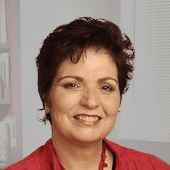
Titles and Affiliations
Professor, School of Public Health
Division Chair, Division of Cancer Prevention and Control
Marion N. Rowley Designated Chair in Cancer
Department of Medicine
Research area
Investigating the effects of aging and lifestyle interventions on breast cancer survivors.
Impact
Dr. Paskett is studying the effects of aging and of lifestyle factors on cancer survivors versus women who do not have cancer. Her team is examining recurrence and late effects of treatment and hope to provide information that could improve the lives of breast cancer survivors.
Progress Thus Far
The Breast Cancer Prevention Through Nutrition Program at Ohio State is making important progress in understanding how lifestyle factors like diet, exercise, sleep, and body weight affect breast cancer risk, survivorship, and aging. Dr. Paskett and team have a longstanding collaboration with the Women’s Health Initiative (WHI) Cancer Survivor Study: Life and Longevity After Cancer (LILAC), the largest long-term study of older female cancer survivors. This effort includes over 16,000 women, with nearly 8,000 breast cancer survivors, and has collected surveys, physical function tests, and blood samples to study aging and cognitive decline after breast cancer. Recent findings showed that women who experienced declines in physical function after treatment, especially chemotherapy, had higher risks of mortality from all causes. Other results found that postmenopausal women with poor physical function after diagnosis faced greater health risks, and that cardiometabolic issues (like high blood pressure or diabetes) increased risk of all-cause mortality, with the association being stronger among the non-cancer cohort compared to the cancer cohort. In addition, the program is using mobile health technology to improve adherence to endocrine therapy, an important treatment for hormone-positive breast cancer. Already, more than 1,100 women, nearly one-third Black women, have joined this study aimed at improving survival and reducing disparities.
What’s next
In the upcoming year, Dr. Paskett and her team will broaden their collaborations to better understand, and address challenges faced by breast cancer survivors. Using the large WHI-LILAC study, they will continue to generate new research, provide statistical support for ongoing projects, and submit several manuscripts that explore how cancer and its treatments affect long-term health and aging. Planned studies will look at topics such as breast cancer and dementia risk, cognitive decline and survival, muscle mass in older women, and how breast cancer treatment and lifestyle choices may influence risks of diabetes and heart disease. The team will also investigate how exercise may affect tumor biology, how diet impacts cancer survival, and how treatment side effects, like declines in physical function, relate to outcomes in survivors.
Biography
Electra Paskett, PhD, MSPH received her doctorate in epidemiology from the University of Washington and became the Marion N. Rowley Professor of Cancer Research at The Ohio State University in 2002. She is Director of the Division of Cancer Prevention and Control in the College of Medicine, professor in the Division of Epidemiology in the College of Public Health and Associate Director for Population Sciences and Program Leader of the Cancer Control Program. She is also Director of the Diversity Enhancement Program at the James Cancer Hospital. Dr. Paskett’s publications showcase her work in intervention research directed at cancer prevention, early detection and survivorship issues specifically among underserved populations. She leads an NCI-funded study examining why rates of cervical cancer are high in Appalachia Ohio and is the Principal Investigator of the Ohio Patient Navigator Research Program. She also received funding from the Breast Cancer Research Foundation and has two NIH grants to develop to test interventions to promote colorectal cancer screening. She continues to work with the Women’s Health Initiative studies looking at breast cancer prevention and survivorship as well as cardiovascular health in underserved populations. Dr. Paskett is a Fellow of the American Association for the Advancement of Science, past-President of the American Society of Preventive Oncology, Deputy Editor of the journal Cancer, Epidemiology, Biomarkers & Prevention, and Section Editor of the journal, CANCER. She is a member of the NIH EPIC study section and the chair of the Health Disparities Committee of the Alliance for Cooperative Trials in Oncology.

