

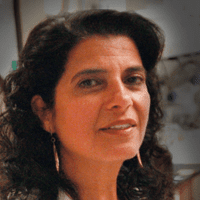
Titles and Affiliations
Julia Dyckman Andrus Professor of Surgery
Director, Vascular Biology Program
Boston Children’s Hospital
Research area
Understanding and targeting the underlying biology driving breast cancer metastasis.
Impact
Triple-negative breast cancer (TNBC) has a high rate of metastasis to the brain. TNBC cells release extracellular vesicles (EVs), which are small capsules that can cross the blood-brain barrier (BBB) and facilitate TNBC brain metastases. Dr. Moses and her team have recently made key discoveries about the molecular pathways through which EVs interact with brain epithelial cells and modulate their metabolism to facilitate their transport across the BBB. The team is now investigating how EVs influence the brain environment to become hospitable to cancer. Dr. Moses aims to understand why and how breast cancer cells travel to distant sites and establish metastases and how to target these cells to treat advanced disease.
Progress Thus Far
Dr. Moses found that EVs from breast cancer cells that are prone to spread to the brain can alter the structure and behavior of the cells lining the BBB, making it easier for cancer cells to pass through and invade the brain. Using machine learning and advanced protein analysis, the team identified specific changes in these brain endothelial cells that could serve as early indicators or targets to block metastasis. In parallel, their research into how breast cancer spreads to bone has shown that EVs from bone-targeting cancer cells carry specific molecular cargo that helps them home in on and prepare the bone for future tumor growth—a process called pre-metastatic niche formation. This work provides the first direct evidence that cancer EVs can selectively reach and affect the bone. In addition, the team is studying how obesity contributes to breast cancer risk after menopause, examining how obesity alters gene activity, protein expression, and fat metabolism in breast cancer cells. They aim to uncover how these changes promote cancer and identify new treatment approaches. Finally, the team has made progress in developing a novel bispecific antibody-drug conjugate that is specifically designed to target and kill TNBC cells.
What’s next
Over the coming year, Dr. Moses and her team will continue advancing several key research areas. They will further investigate how breast cancer cell-derived EVs contribute to metastasis to the brain and bone, with the goal of disrupting these pathways to prevent disease spread. Building on their prior work, they will also explore how obesity and menopause together influence breast cancer development and progression, particularly examining whether fat cells in the breast promote more aggressive tumor behavior. Dr. Moses and team will continue their metabolic profiling efforts, aiming to uncover obesity-related metabolites or pathways that could serve as therapeutic or diagnostic targets. In parallel, they plan to expand their development of immune-activating bispecific antibody-drug conjugates for treating TNBC. The team will also pursue discovery and validation of non-invasive biomarkers for detecting TNBC.
Biography
Dr. Marsha A. Moses is the Julia Dyckman Andrus Professor at Harvard Medical School and the Director of the Vascular Biology Program at Boston Children’s Hospital. She is internationally recognized for her significant contributions to our understanding of the biochemical and molecular mechanisms that underlie the regulation of tumor development and progression. Dr. Moses and her laboratory have discovered several inhibitors of these processes that function at both the transcriptional and translational level, some of which are being developed for potential clinical use in a variety of human diseases. Named a pioneer in the field of Biomarker Medicine by the Journal of the National Cancer Institute, she created a Proteomics Initiative at Boston Children’s Hospital, has utilized its resources, including an extensive human biorepository and has leveraged her significant expertise in proteomics, to discover and validate a number of novel, non-invasive biomarkers for a variety of human cancers and non-neoplastic diseases. Several of these biomarkers are currently being used in clinical trials. Dr. Moses and her team have engineered novel, actively targeted, precision nanomedicines for the treatment of human cancers and their metastases. A number of these therapeutics and diagnostics are included in Dr. Moses’ significant patent portfolio composed of both US and foreign patents.
Dr. Moses’ basic and translational work has been published in such journals as Science, The New England Journal of Medicine, Cell, PNAS and Nature Communications, among others. She received a Ph.D.in Biochemistry from Boston University and completed a National Institutes of Health postdoctoral fellowship at Boston Children’s Hospital and MIT in the laboratory of Dr. Robert Langer. Dr. Moses is the recipient of a number of NIH and foundation grants and numerous awards and honors. Most recently, she was the 2021 recipient of the American Association for Cancer Research (AACR)-Women in Cancer Research Charlotte Friend Lectureship. Dr. Moses has been recognized with both of Harvard Medical School’s mentoring awards, the A. Clifford Barger Mentoring Award and the Joseph B. Martin Dean’s Leadership Award for the Advancement of Women Faculty. Marsha has received the Excellence in Mentoring Award from the Postdoc Association of Boston Children’s Hospital and has also received their Award for Exceptional Mentorship. She has also received the Honorary Member Mentoring Award from the Association of Women Surgeons of the American College of Surgeons.
Dr. Moses has been elected to the Institute of Medicine (National Academy of Medicine) of the National Academies of the United States, the National Academy of Inventors, the American Institute for Medical and Biological Engineering, as a Fellow of the American Association for the Advancement of Science and was recently elected to the American Academy of Arts and Sciences.

