Titles and Affiliations
Associate Professor
Paediatric Haematology and Immunology Department
Cancer Research UK – Cancer Grand Challenges
Research Area
Investigating whether naturally occurring autoantibodies help protect certain high-risk individuals from developing cancer, with a focus on hereditary breast cancer.
Impact
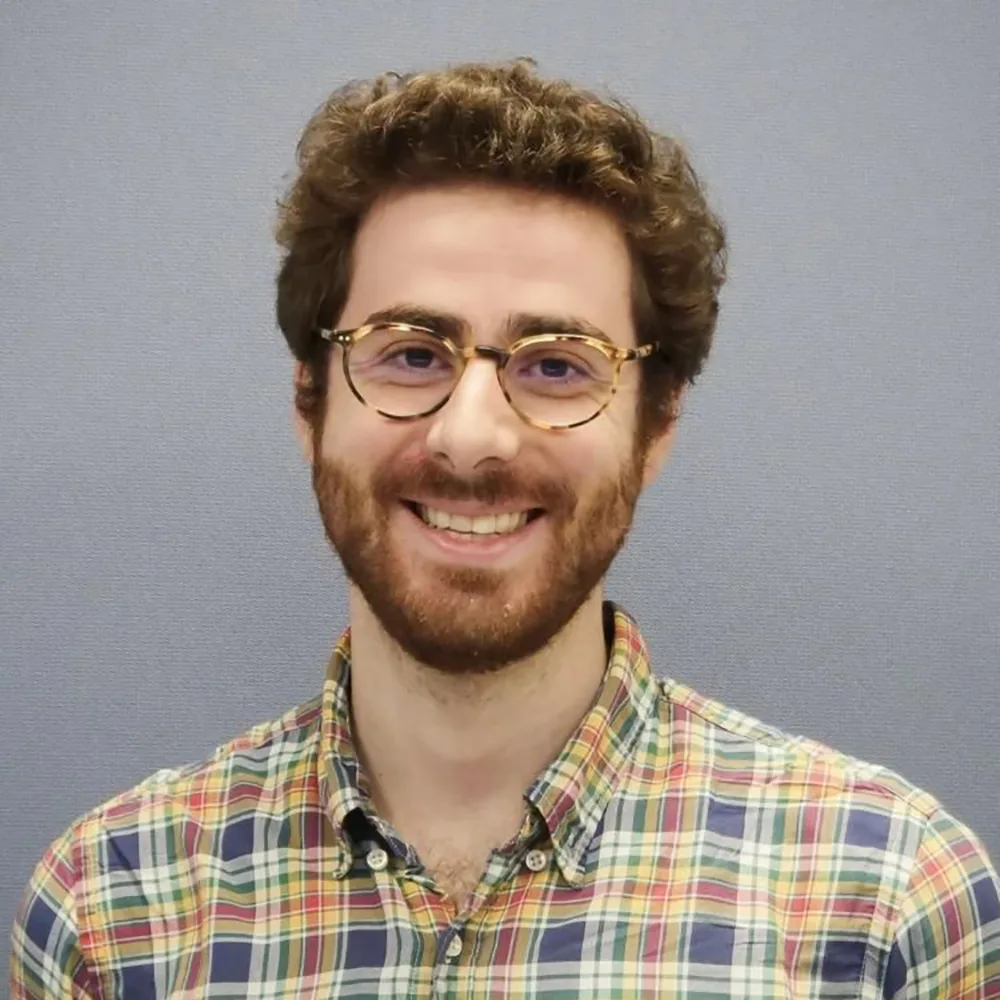
Drs. Bastard and Smith-Byrne are part of ATLAS, an international team effort across six countries exploring whether immune-modulating autoantibodies help explain why some high-risk individuals never develop cancer. The project builds on Dr. Bastard’s and team member Jean-Laurent Casanova’s earlier discovery that certain autoantibodies in patients with life-threatening COVID-19 blocked the immune system’s ability to fight the virus, antibodies that were remarkably rare in people who had mild or no symptoms. Applying this same logic to cancer, the team hypothesizes that a tumor’s fate, whether it is tolerated or destroyed by the immune system, may be reflected in a person’s antibodies, and that studying these antibodies could reveal why certain people at high genetic risk of cancer never actually develop it. Because hereditary breast cancer risk is so well characterized, breast cancer is a natural focus for this work, particularly BRCA1 and BRCA2 mutation carriers who remain cancer-free despite carrying a mutation known to substantially raise their lifetime risk.
What’s Next
The team will draw on approximately 1,000 samples from BRCA mutation carriers who have not developed disease, alongside roughly 1,000 additional breast cancer patients from other cohort studies, including those with hereditary risk, and will compare these against broader cancer cohorts and healthy controls to sharpen what is specific to breast cancer. Using advanced, proteome-scale antibody profiling technology, the team will search for antibodies that either protect against or promote breast tumor development in these high-risk women, characterizing their specificity and testing their functional impact on immune responses relevant to breast cancer. This work has the potential to change how the field understands immune surveillance specifically in hereditary breast cancer, uncovering new breast tumor antigens and antibody-mediated immune vulnerabilities, with the goal of identifying new biomarkers and druggable targets that could help prevent breast cancer in high-risk women or improve treatment for those who develop it.
Biography
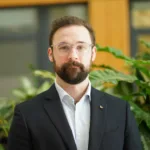
Paul Bastard, MD, PhD, is an associate professor in the Pediatric Hematology and Immunology department of Necker Hospital for Sick Children (AP-HP, Paris, France), while also conducting research at the Imagine Institute (University of Paris Cité, INSERM, Paris, France). He received his MD from the Sorbonne and his PhD in immunology from the University of Paris. Dr. Bastard’s research currently focuses on the causes and consequences of autoantibodies in infectious diseases and cancer. He is the leader of Team ATLAS, a Cancer Grand Challenges project that aims to identify antibodies that can be either protective or deleterious in cancer. From 2020 onwards, he identified the role of autoantibodies (auto-Abs) to type I IFNs in the pathogenesis of more than 15% of cases of life-threatening COVID-19 pneumonia, and in several other severe viral diseases. His team also showed that these auto-Abs increase with age in the general population, from 0.3% under the age of 60 to 4% after the age of 70, providing a mechanistic explanation for increased mortality in older adults with viral disease. In recognition of his groundbreaking contributions, Dr. Bastard received the inaugural 2022 Michelson Philanthropies & Science Prize for Immunology, awarded by Michelson Philanthropies and the American Association for the Advancement of Science (AAAS) for transformative research in human immunology.