Titles and Affiliations
Rob and Karen Hale Distinguished Chair in Surgical Oncology
Research area
Using artificial intelligence to identify young women at elevated risk for breast cancer who would be missed by conventional risk assessment.
Impact
Breast cancer remains a leading cause of cancer-related death in young women, yet current screening strategies rely heavily on age and family history. As a result, many women who develop breast cancer before age 40 are never recognized as being at increased risk since they lack traditional high-risk features such as a strong family history, an inherited genetic mutation, or a prior high-risk breast lesion. Recent advances in artificial intelligence (AI) suggest that a standard mammogram may hold more information than simply detecting an existing cancer. AI-based image analysis can identify subtle patterns that may predict a woman’s future breast cancer risk, years before any cancer becomes apparent. Dr. Mittendorf is applying Clairity Breast, the first FDA-authorized AI platform designed to estimate five-year breast cancer risk from standard mammographic images, to determine whether this technology can identify elevated risk in younger women that conventional clinical models would otherwise miss.
What’s next
Dr. Mittendorf will lead a prospective study enrolling 1,000 women ages 35-40 who do not have a known hereditary breast cancer syndrome or a strong family history of the disease. Participants will undergo standard mammography, traditional clinical risk assessment, and AI-based risk assessment using the Clairity Breast platform, allowing a direct comparison between the two approaches. Participants will also complete surveys evaluating anxiety, cancer worry, trust in AI-based risk assessment, and willingness to pursue additional screening or prevention strategies based on their results. This work is conducted at Beth Israel Deaconess Medical Center, the first site in the United States to make the Clairity Breast score available to patients, offering a unique opportunity to study how AI-based risk assessment performs in real-world clinical practice. If successful, this research could help redefine breast cancer prevention and early detection by enabling more personalized, biologically informed screening strategies for younger women who fall outside the reach of current risk models.
Biography
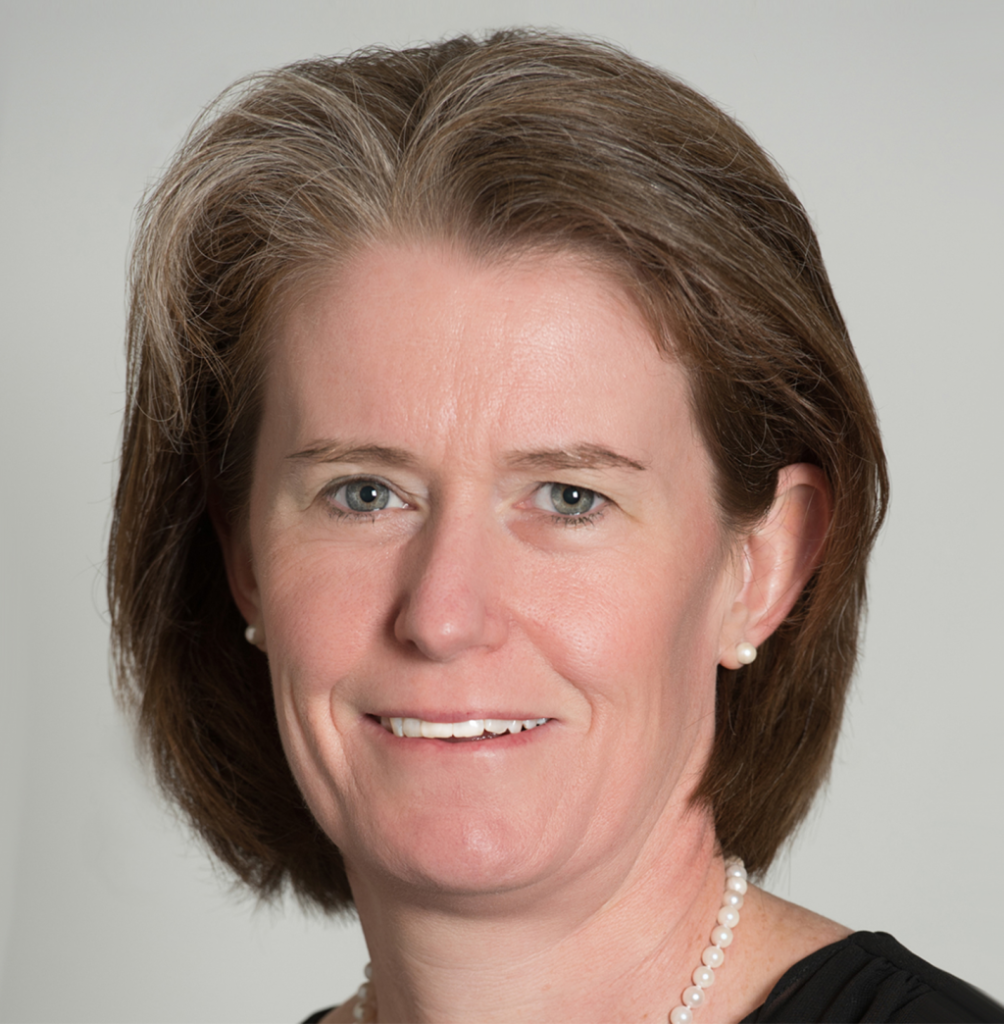
Elizabeth Mittendorf, MD, PhD is the Robert and Karen Hale Distinguished Chair in Surgical Oncology and Associate Chair for Research in the Department of Surgery at Brigham and Women’s Hospital. She is also the Director of the Breast Immuno-Oncology program and Co-Director of the Breast Cancer Clinical Research Program at Dana-Farber/Brigham and Women’s Cancer Center. Dr. Mittendorf received her medical degree from Case Western Reserve University School of Medicine where she also completed residency in General Surgery. She then served on active duty in the United States military before completing a fellowship in Surgical Oncology at the University of Texas MD Anderson Cancer Center. Dr. Mittendorf also holds a PhD in Immunology from the University of Texas Graduate School of Biomedical Sciences at Houston. She is board certified by the American Board of Surgery.