

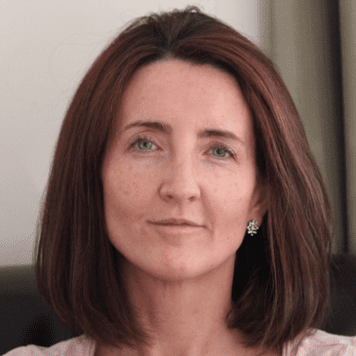
Titles and Affiliations
Associate Professor, Department of Medicine (Oncology)
Associate Professor, Department of Molecular Pharmacology
Research area
Identifying targeted therapies and novel combination approaches to decrease drug resistance and improve outcomes for patients with triple-negative breast cancer.
Impact
Therapeutics such as Taxol are indicated for first-line treatment of patients with triple-negative breast cancer (TNBC) and other subtypes of breast cancer. While many patients experience good outcomes to this treatment, some patients experience drug resistance, or relapse after a period of remission. In addition, some patients develop toxicities or experience long-term, debilitating side effects. Research has shown that some cancer cells enter a dormant state known as cellular senescence, a form of long-term growth arrest in which cells stop dividing but remain alive and biologically active. Since senescent cells can persist for years after treatment, promote inflammation, and eventually resume growing, they may play a role in breast cancer recurrence. Understanding and targeting these dormant cancer cells is therefore important for improving long-term survival after breast cancer therapy. The BCRF research led by Dr. McDaid is focused on characterizing cancer cells that survive anti-cancer therapy and contribute to the aggressiveness of some breast cancers like TNBC Targeting tumor dormancy remains technically challenging and represents one of the last major frontiers in breast cancer research because dormant cells are rare, difficult to detect, and poorly understood.
Progress Thus Far
Dr. McDaid and her colleagues showed that while senescent cancer cells do not divide, they do produce inflammatory proteins that can promote the growth of neighboring tumor cells, leading to recurrence or metastasis. She hypothesizes that the pattern of these proteins might serve as novel blood-based biomarkers or signatures of senescence and provide a strategy for tracking the process. They identified vulnerabilities in dormant senescent cancer cells and developed molecules capable of selectively killing them, thereby reducing the risk that these cells later escape dormancy and drive relapse. Since these compounds are not suitable for the clinic, the team used computational drug discovery approaches to identify clinically available medicines with similar senescence-targeting properties. Using laboratory models of breast cancer, they found that two classes of widely used medicines preferentially kill dormant senescent cancer cells and combining them further enhanced their activity. This suggests that a combination approach may provide a more effective strategy for eliminating persistent dormant cancer cells.
What’s next
Dr. McDaid will extend these studies using TNBC laboratory models of therapy-induced senescence to determine whether the combination approach can ultimately be advanced to the clinic. In parallel, they are developing blood-based methods to identify dormant senescent cancer cells by measuring proteins released into circulation. Together, these studies aim to develop ways to detect, monitor, and eliminate dormant cancer cells before they contribute to breast cancer relapse, potentially expanding the arsenal of strategies for treating breast cancer, particularly aggressive forms such as TNBC.
Biography
Hayley McDaid, PhD received her degree from the Queens University of Belfast, where she characterized the role of the cAMP-dependent protein kinase A signaling pathway in breast and ovarian cancer. These studies pioneered her present-day interest in targeted therapies, pharmacogenomics, and rationally designed drug combinations.
Dr. McDaid’s broad research theme in breast cancer is focused on investigating molecular mechanisms of action and resistance to novel therapeutics. She is interested in defining the ‘circuitry’ of breast cancer in the different molecular subtypes of triple-negative tumors; and mechanisms by which tumors counteract the effects of therapy. As part of this focus, Dr. McDaid has been studying chemotherapy-mediated senescence, a type of growth arrest that is increasingly perceived as a deleterious outcome of treatment. With her colleagues, she is interested in defining chemical-biological approaches to minimize the risk of developing senescence during treatment.

